
Key Takeaways
Climate describes observed patterns over time, while weather concerns short-term conditions. To understand a region, one must consider averages, extremes, geographical factors, and natural fluctuations.
- Climate summarises the atmospheric conditions of a region over a prolonged period.
- Temperature, precipitation, and wind are essential parameters, to be supplemented as needed.
- Latitude, terrain, oceans, and atmospheric circulation influence local climates.
- Events like El Niño naturally modulate the climate from one year to the next.
- Long series and comparable indicators allow for the distinction between fluctuations and trends.
What is Climate?
Climate describes the usual atmospheric characteristics of a place, derived from accumulated observations over time. It does not, therefore, correspond to a particularly hot, cold, or rainy day. To characterise it, several parameters and their evolution are analysed, taking into account the period and geographical scale considered.
The Definition of Climate and Climate Normals
We speak of climate when observing the distribution and frequency of atmospheric conditions in a region over a sufficiently long period. Climate normals are reference values calculated over periods of several decades, often thirty years, to describe the usual level of a parameter. They serve as a benchmark for comparing recent observations, not as a forecast for a given day or year.
Measured Parameters: Temperature, Precipitation, and Wind
Temperature, precipitation, and wind form a useful basis, but the analysis can also include humidity, sunshine, or atmospheric pressure. The choice depends on the question asked: understanding rainfall seasonality does not require the same data as studying prevailing winds. The challenge is to have monitored, comparable, and sufficiently representative measurements of the studied location.
To make these parameters understandable, a table helps to distinguish what each measurement contributes to the description of a climate.
| Parameter | What it describes | Example of climatic reading |
|---|---|---|
| Temperature | Air heat | Seasonal averages and frequency of extremes |
| Precipitation | The amount and distribution of rain or snow | Wet season, dry season, intense episodes |
| Wind | The direction and speed of air movement | Dominant patterns and seasonal variations |
| Humidity | The amount of water vapour in the air | More or less humid conditions depending on the period |
Taken together, these elements provide a more complete picture than each one in isolation. They also help to understand why two nearby locations can have different perceived conditions.
Geographical Scales of Climate
Climate is described at several scales. At the global scale, large zones are distinguished, while a region or a valley can have its own characteristics. Relief, bodies of water, and urban forms create local variations: talking about the climate of an entire country can thus mask significant contrasts.
The Role of Averages and Extremes
An average indicates a central value, but it does not tell the whole climatic story. Two regions can have similar average temperatures while experiencing very different seasons, ranges, or extremes. The frequency of rare events also counts: a series of very hot days or intense rainfall can have significant effects without solely disrupting the annual average.
What is the Difference Between Weather and Climate?
Weather describes the state of the atmosphere at a specific place and time, while climate summarises observed behaviours over long periods. The two concepts are linked, but they do not answer the same question. A forecast is about what might happen in the coming days; a climatic analysis looks for patterns and changes in statistics.
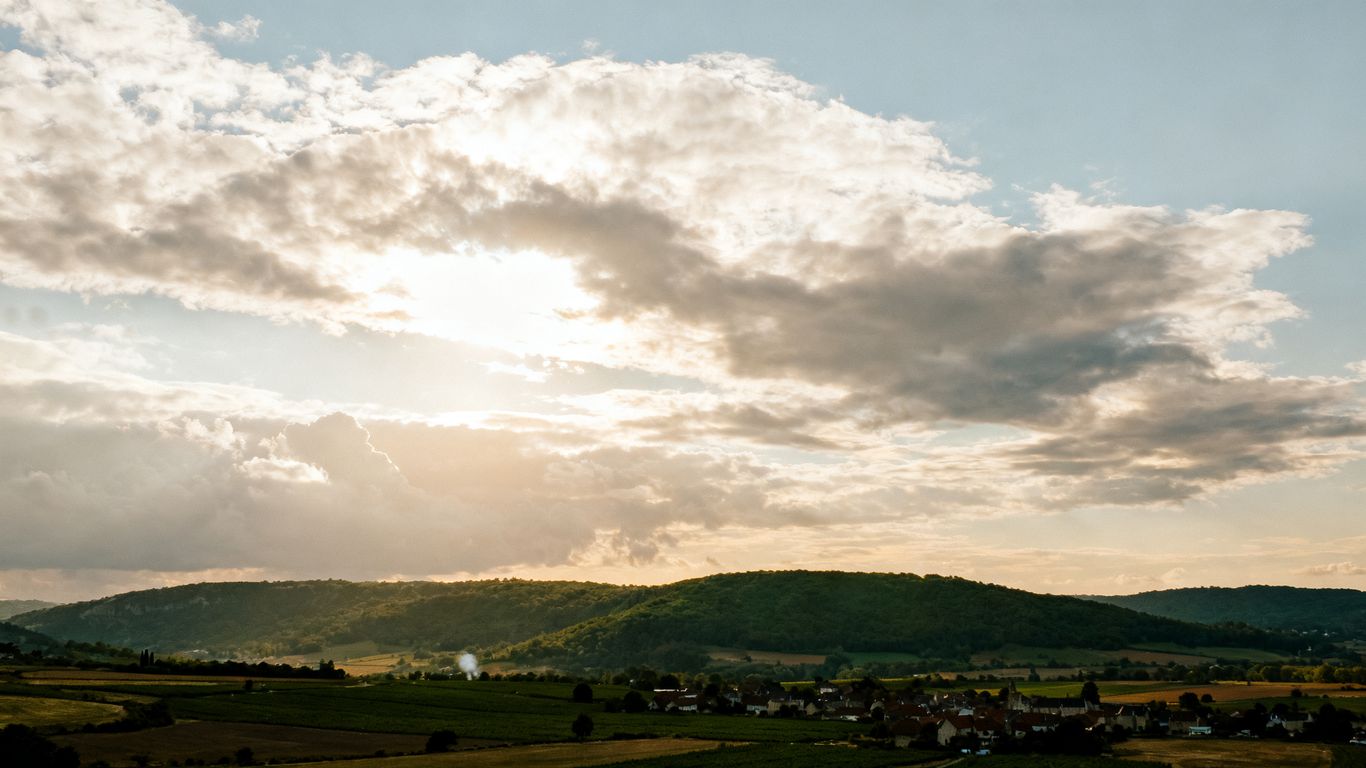
Weather Describes Short-Term Conditions
Today’s temperature, risk of rain, expected gusts: this information relates to the weather. It varies rapidly and depends on the immediate atmospheric situation. It is useful for organising activities but is not sufficient to characterise the climate of a city or region.
Weather conditions can also complicate planned journeys. This is a practical consideration, for example, when organising a transfer to the airport from Lelystad, but it does not allow for a climatic conclusion to be drawn from a particular journey.
Climate Reveals Trends Over Several Decades
Climate emerges from the analysis of a series of observations, grouped using consistent methods. It is then possible to compare seasons, averages, and extremes between different periods. To examine possible developments in a French region, regionalised climate projections offer a framework distinct from daily weather forecasts.
These comparisons require maintaining the same scale and compatible indicators. A change in period or method can alter the interpretation, even when the initial data is similar.
Why an Isolated Episode Does Not Define Climate
An exceptional episode attracts attention but is not enough to establish a lasting trend. A cold day does not invalidate an evolution observed over several decades, just as a hot day does not in itself prove a change in climate. The event must be placed in a longer series and its frequency, intensity, and context examined.
What Factors Determine Climate?
The climate of a place results from several interacting influences. The amount of solar energy received, the terrain, exchanges with the oceans, and air circulation contribute to the observed temperatures and precipitation. These factors explain both the broad contrasts between regions and the more subtle differences at the local level.
Latitude and Received Solar Energy
Latitude influences the angle at which the Sun’s rays reach the surface and their distribution throughout the seasons. Near the equator, solar energy is generally more direct throughout the year; towards the poles, seasons and sunshine durations contrast more. However, this general trend is not enough to describe a place without considering other factors.
Altitude and Terrain
With altitude, temperature generally tends to decrease, contributing to differences between plains and mountains. Terrain also influences air circulation and precipitation distribution: a mountain range can force air to rise, with different conditions depending on the slopes. At the scale of a valley, exposure and the shape of the land can further modify local conditions.
Distance from the Sea and Ocean Currents
The sea heats up and cools down more slowly than land. Coastal regions therefore often experience less pronounced seasonal variations than areas far from the coast, although the local configuration matters. Ocean currents also move heat over long distances; the Atlantic Meridional Overturning Circulation is an example of a system studied for its influence on heat distribution and regional conditions.
Atmospheric Circulation and Air Masses
Prevailing winds and the movement of air masses transport heat and moisture from one region to another. They partly determine the passage of disturbances, dry periods, or the arrival of colder or warmer air. Their configuration changes with seasons and atmospheric situations; therefore, climate is built on patterns rather than an immutable mechanism.
How to Distinguish Major Climate Types?
Climate classifications group regions according to common characteristics, particularly temperature and precipitation. They help compare large areas but do not replace the study of local peculiarities. The same general type can cover places whose seasons and daily conditions differ noticeably.
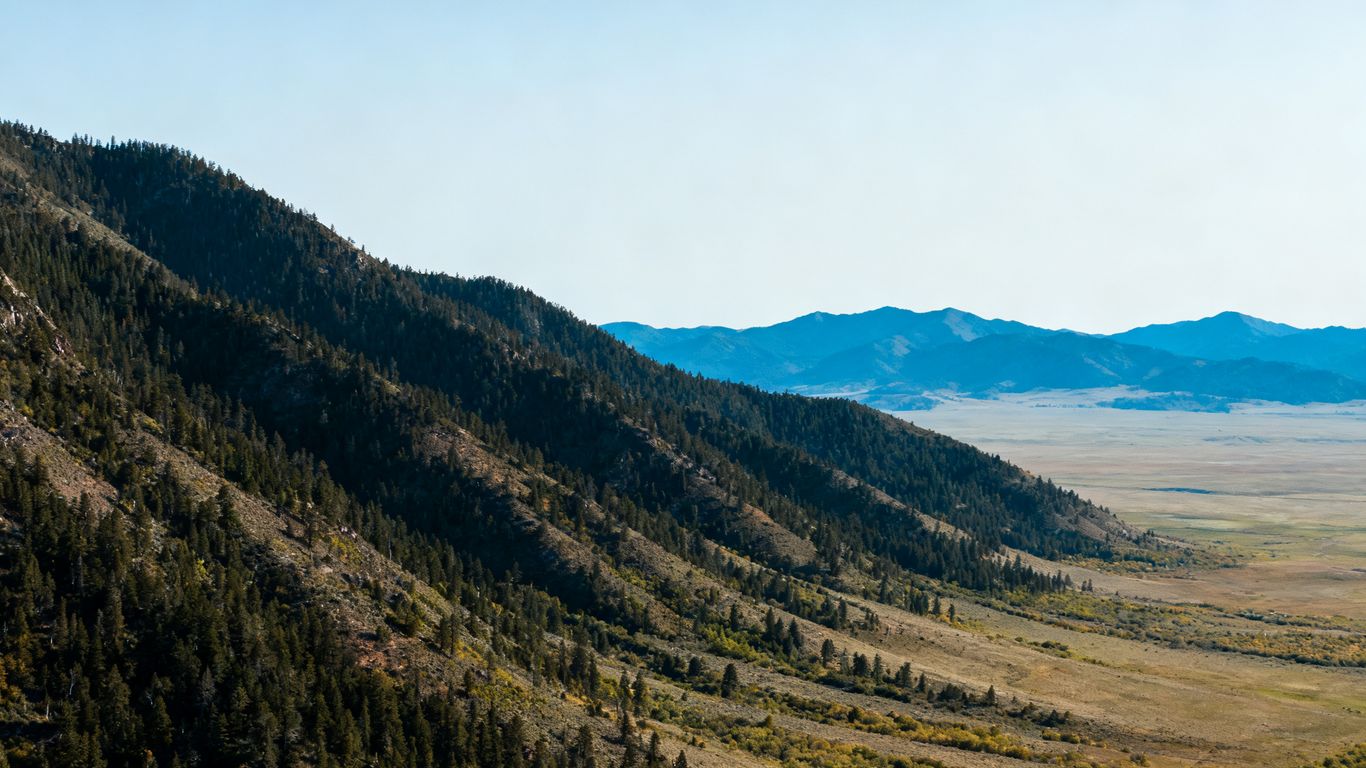
Climate Classification Criteria
A classification is generally based on average temperatures, the amount of precipitation, and its distribution throughout the year. Some methods also take into account seasonality or dry periods. The chosen criteria determine the boundaries between categories: a climate map is therefore a useful representation, not an absolute boundary in the landscape.
Tropical, Dry, and Temperate Climates
Tropical climates are characterised by generally high temperatures, with rainfall patterns that vary by region. In dry climates, precipitation is low relative to evaporation, while temperate climates experience distinct seasons without the extreme contrasts found in some continental areas. These terms describe broad trends, and each region has its own nuances.
Continental, Polar, and Mountain Climates
Continental climates often experience marked seasonal variations, especially far from the moderating influence of the sea. Polar regions are distinguished by low temperatures and low solar energy received for part of the year; in mountainous areas, altitude and exposure shape conditions that change rapidly with the terrain. Mountain climates are therefore not uniform from one slope or altitude to another.
Local Variations within the Same Region
A regional category does not summarise all the conditions encountered by inhabitants. Sun exposure, proximity to a watercourse, vegetation, and building density can create local variations. Climate also influences seasonal uses: teenagers’ summer activities, for example, may be planned based on heat and outdoor conditions, as suggested by summer activities for teens.
On an even more immediate scale, a dwelling exposed to heat does not present the same conditions as a shaded space. The maintenance needs of a domestic appliance can also arise in this context, without necessarily constituting an indicator of climate; a thorough cleaning of an air conditioner is a separate practical matter.
What Forms Does Natural Climate Variability Take?
Climate varies naturally, from one year to the next as well as over longer periods. Some fluctuations affect vast regions, while others are mainly observed at the regional scale. Understanding them helps interpret observed deviations, without confusing a temporary variation with a lasting trend.
Year-to-Year Fluctuations
Precipitation and temperatures can deviate significantly from their usual values from one year to the next. Atmospheric circulation, interactions between the ocean and atmosphere, and seasonal conditions contribute to these differences. A single year is therefore not enough to describe a trend: a sufficiently long sequence of observations must be examined.
El Niño and La Niña in the Pacific
El Niño and La Niña refer to opposite phases of a variability phenomenon associated with the surface temperatures of the tropical Pacific Ocean and exchanges with the atmosphere. They can alter weather patterns in different parts of the world, with effects that vary by region and season. Their influence is not felt everywhere in the same way and does not, on its own, allow for the prediction of every local event.
Natural Variations in Solar Activity and Volcanoes
Solar activity varies, as does the amount of energy received by the Earth over very long periods. Large volcanic eruptions can also inject particles into the atmosphere and temporarily alter part of the energy balance. These phenomena contribute to natural variability, but their effects must be considered among many factors influencing climate.
Ocean Cycles and Their Regional Effects
Oceans store and redistribute heat; their variations can therefore influence regional atmospheric conditions. These cycles do not necessarily repeat at perfectly regular intervals, and their effects intertwine with those of other mechanisms. The presence of a particular oceanic phase does not mean that all regions will experience the same conditions.
How to Observe and Interpret Climate Variability?
The interpretation of climate relies on continuous observations and explicit comparison methods. Historical series allow recent measurements to be placed in a broader context, but they have gaps and possible changes in methodology. Therefore, indicators must be read carefully, without making them say more than they measure.
Weather Records and Historical Series
Weather stations record parameters such as temperature, precipitation, and wind. By grouping these records over time, we obtain series that allow us to study trends and fluctuations. Geographical coverage, continuity of measurements, and changes in instruments are important for the quality of the analysis; documentary archives can also supplement instrumental observations.
Data organisation is a separate issue from their scientific interpretation. Resources on managed cloud IT services may concern the digital management of professional activities but do not replace weather records or their verification.
Useful Indicators for Comparing Periods
Comparing two periods requires choosing appropriate indicators and maintaining a consistent method. For a simple analysis, one can examine:
- Seasonal average temperatures.
- Total precipitation and its distribution throughout the year.
- The frequency and intensity of extreme values.
- The duration of unusually dry or wet periods.
These benchmarks highlight different aspects of the climate. Using them together avoids reducing the analysis to a single average, which could mask seasonality or rare events.
Limitations of Observations and Averages
Available data do not always cover every location uniformly, and some series have interruptions. An average can also mask significant variations between seasons or between years. Therefore, the quality of observations, their location, and the period considered must be taken into account before comparing results.
Distinguishing Natural Variability from Underlying Trends
Natural variability corresponds to fluctuations related to the mechanisms of the climate system, while an underlying trend is identified in the sustained evolution of indicators. The two can overlap: a given year can deviate significantly from the trend observed over several decades. Comparing long series, multiple parameters, and different regions helps to formulate a more robust interpretation.
In Conclusion
Understanding climate requires looking beyond the observation of a single day or isolated event. Averages, extremes, geographical factors, and natural variability combine to form a picture that only makes full sense with data monitored over time and interpreted at the correct scale.
Frequently Asked Questions
What is the definition of climate?
Climate refers to the statistical characteristics of the atmospheric conditions of a region observed over a prolonged period, particularly temperature, precipitation, and wind.
How long does it take to characterise a climate?
Periods of several decades are used to establish climatic references. Normals are often calculated over thirty-year periods.
What is the difference between weather and climate?
Weather describes atmospheric conditions in the short term and at a specific location. Climate summarises the patterns and variations observed over a much longer period.
What factors influence a region’s climate?
Latitude, altitude, terrain, distance from the sea, ocean currents, and atmospheric circulation contribute to local climatic conditions.
What are the main climatic parameters measured?
Temperature, precipitation, and wind are fundamental parameters. Humidity, sunshine, or atmospheric pressure can supplement the analysis.
Does El Niño modify the climate everywhere in the same way?
No. El Niño can influence weather conditions in different regions, but its effects vary depending on the location, season, and other mechanisms at play.
Does an exceptional weather event prove climate change?
No. An isolated episode is not enough to characterise a trend. It must be placed in long series and the frequency, intensity, and duration of events compared.


