Key points
Global warming refers to a sustained rise in the planet’s average temperature, mainly caused today by human activities. To understand its effects, it must be distinguished from the broader changes affecting the climate in different regions.
- Warming describes the increase in the global average temperature.
- Climate change also encompasses other lasting changes to the climate system.
- Greenhouse gases trap some of the heat in the atmosphere.
- The burning of fossil fuels, deforestation and certain farming practices contribute to current warming.
- Solar and volcanic variations influence the climate, but do not explain the trend observed today.
Definition of global warming
When people ask “what is global warming?”, they are referring to a trend observed across the planet, not a hot day or a particular summer. It is measured by comparing average temperatures calculated over long periods. This approach makes it possible to distinguish a lasting change from ordinary fluctuations in the weather.
A sustained rise in the global average temperature
The global average temperature is an overall measure calculated from observations collected in different places and across several environments. It does not mean that every region is warming in the same way, or that temperatures rise every year without interruption. Some places experience more pronounced variations than others, while individual cooler years are still possible. It is the trend over several decades that reveals global warming, not a single measurement.
The reference period used to measure warming
To quantify this trend, scientists compare temperatures with a reference period. Climate reports often use the 1850–1900 average as an approximation of pre-industrial levels, although observations available at the time were less complete than they are today. The period chosen therefore matters: a figure only makes sense if you know which reference it is being compared with. For an overview of the concepts, causes and observations, you can also consult this definition of climate change.
Why a few degrees in the average matter
An average change of a few degrees may seem modest compared with the temperature changes experienced in a single day. But this average is based on measurements across an entire planet: it indicates that the climate system is accumulating heat. The oceans, land and atmosphere do not all respond at the same rate, and modest differences on a global scale can be accompanied by significant changes in some areas. The global average therefore provides information about an overall trend, without describing on its own the conditions experienced in every place.
Global warming and climate change
Two related concepts, but not synonyms
Global warming is the sustained increase in the Earth’s average temperature. Climate change includes this rise, but also other changes affecting rainfall patterns, seasons and the oceans. The two concepts therefore overlap, but are not strictly interchangeable. An overview of the human causes of global warming helps explain why rising temperatures are part of a broader climate transformation.
Changes that vary by region
Local impacts depend in particular on geography, proximity to the sea, altitude and existing climatic conditions. A global trend therefore cannot, on its own, predict the weather in a city or area on a given date. Local context remains essential for describing changes and preparing appropriate responses. A page of tips for visiting Carolinensiel and its surroundings, for example, focuses on a specific area; that does not make it a source of climate observations.
The role of extreme weather events
Warming changes the conditions in which some extreme events occur, but it does not mean that every event can automatically be attributed to climate change. Scientists study trends and assess how warming may affect the likelihood or intensity of specific phenomena. Several types of risk are involved, with effects that vary by region:
- Heatwaves may become more frequent or more intense.
- Droughts may worsen in some areas.
- Heavy rainfall may become more intense in certain contexts.
- Wildfire risks may increase when heat and drought combine.
This distinction helps avoid confusing weather with climate: a single event does not prove a trend, while changes in probabilities and intensities can be studied over the long term. Adapting local areas also involves approaches to climate-adaptive engineering, particularly to account for heat and flood risks.
The role of the greenhouse effect

How greenhouse gases trap heat
Most sunlight passes through the atmosphere and warms the Earth’s surface. Some of this energy then returns to space as infrared radiation. Gases such as carbon dioxide, methane and nitrous oxide absorb some of this radiation and re-emit it in different directions, including towards the surface. Their concentration in the atmosphere therefore helps determine how much heat remains there.
The natural greenhouse effect, essential to life
Without the natural greenhouse effect, the Earth would be much colder, and life as we know it could not develop under the same conditions. This mechanism maintains a favourable average temperature, thanks to gases already present in the atmosphere. The current problem is therefore not the existence of the greenhouse effect, but its intensification as the concentrations of certain gases rise. This distinction between a natural phenomenon and its intensification helps explain the human role in global warming.
The intensification of the greenhouse effect since the industrial era
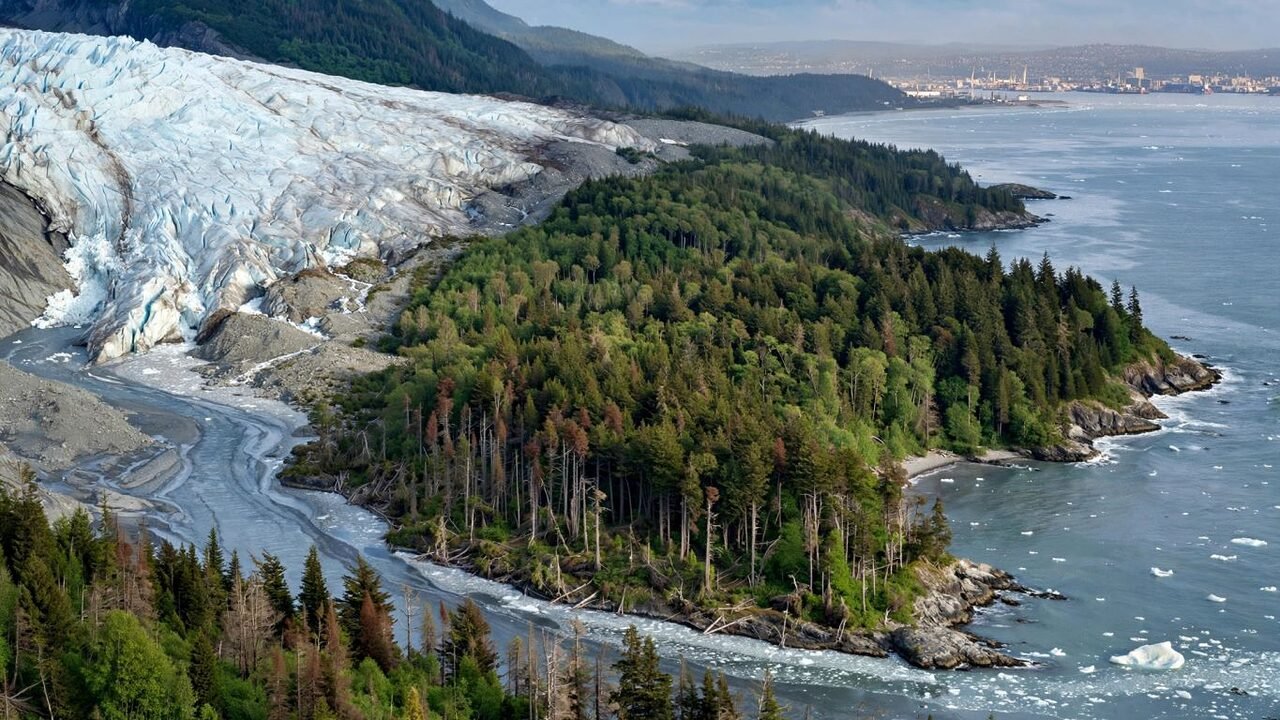
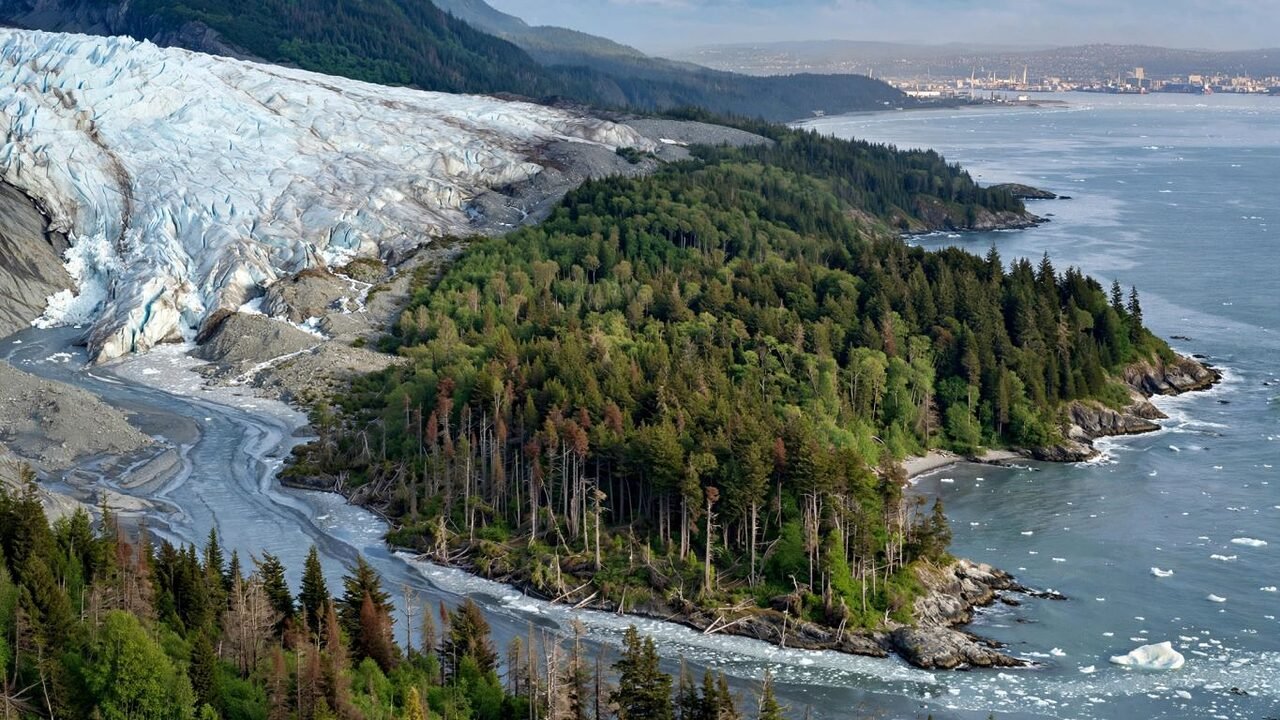
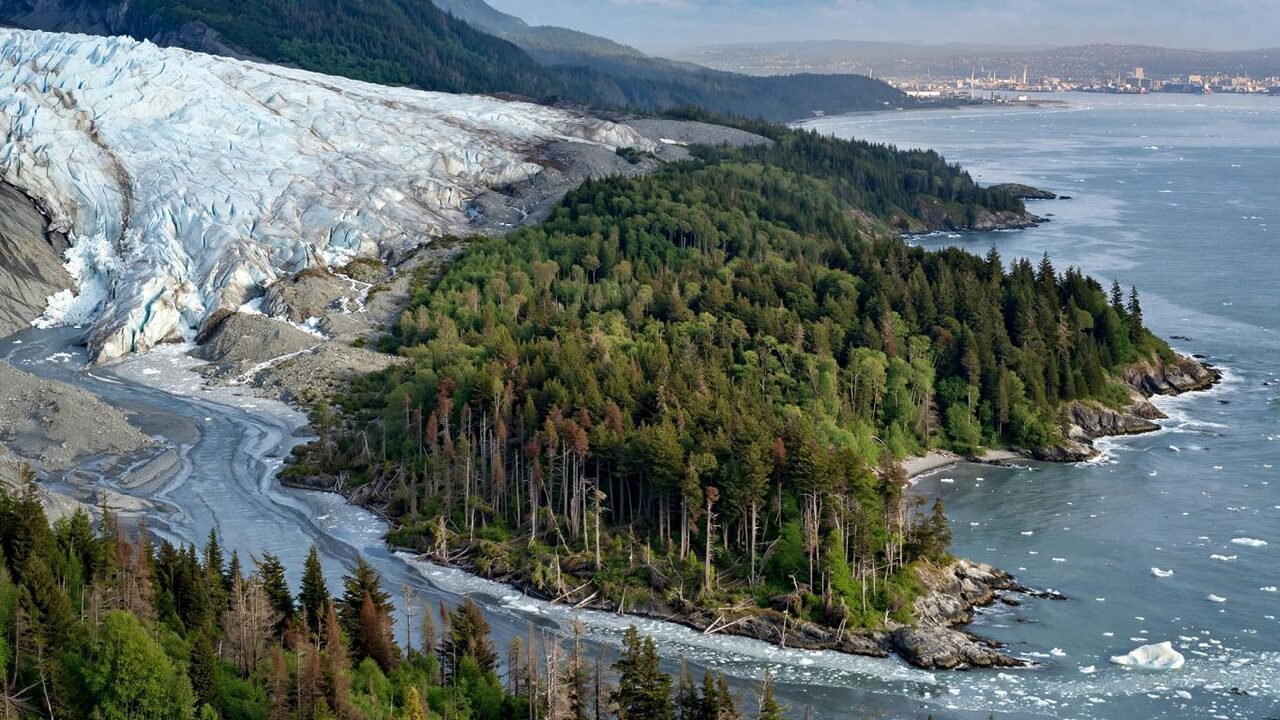
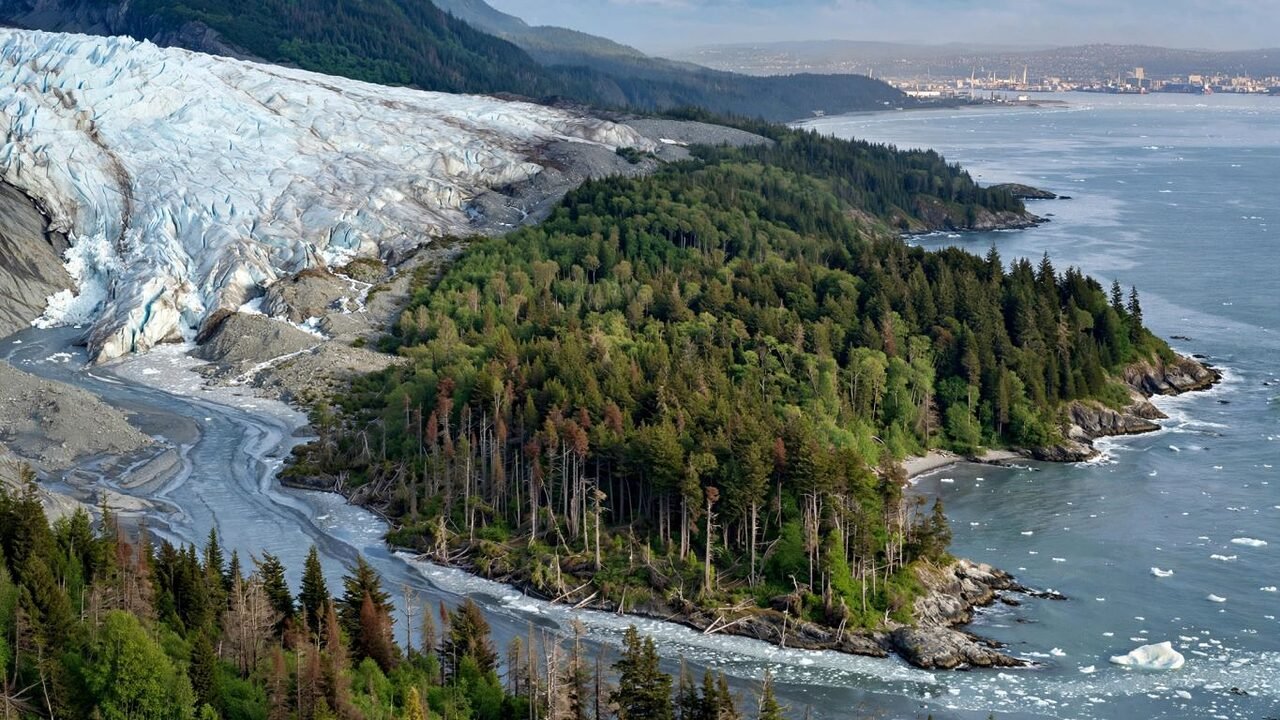
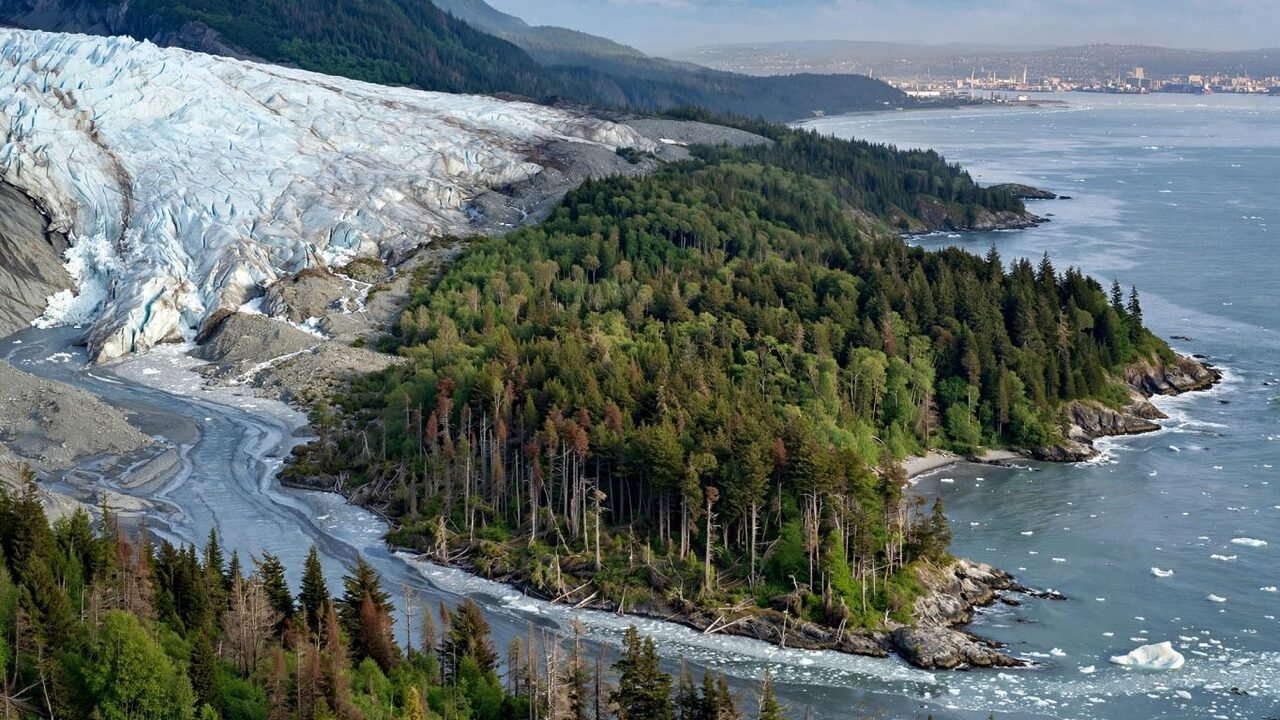
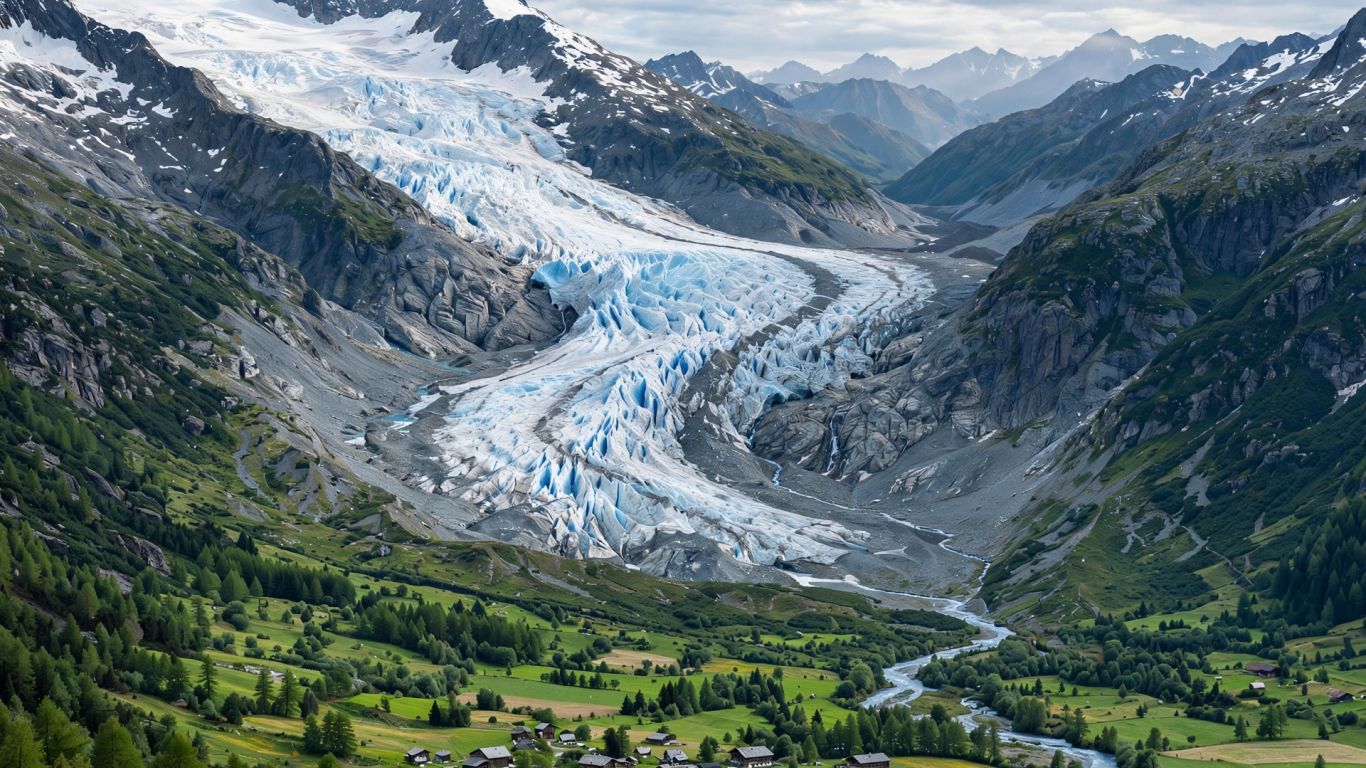
Since industrialisation, the burning of fossil fuels and other human activities have increased the amount of greenhouse gases in the atmosphere. This rise disrupts the balance between the energy received and the energy the Earth sends back into space. Current climate change is documented, among other things, by temperature measurements, retreating glaciers and rising sea levels. For a more detailed explanation of greenhouse gases, it is useful to distinguish between the different gases and their roles in the phenomenon.
The main human causes
Human activities influence the climate mainly by changing greenhouse gas concentrations and the way land is used. Burning coal, oil and gas is a major source of carbon dioxide. Deforestation and farming activities also contribute to emissions or reduce ecosystems’ ability to store carbon. These factors combine rather than acting separately.
The burning of coal, oil and gas
Burning fossil fuels releases the carbon they contain in the form of carbon dioxide. This includes energy production and transport, as well as other industrial uses. To compare the main fuels, this table summarises their connection with emissions:
| Fuel | Common use | Main climate contribution |
|---|---|---|
| Coal | Electricity generation and industrial uses | Carbon dioxide emissions from combustion |
| Oil | Transport and industrial uses | Carbon dioxide emissions from combustion |
| Natural gas | Energy production and heating | Carbon dioxide emissions from combustion |
These differences in use do not change the shared principle: combustion adds carbon dioxide to the atmosphere. The extraction and transport of fuels can also cause emissions, including methane emissions under certain conditions. For readers, understanding the central role of fossil fuels helps explain why reducing their use is one of the key ways to mitigate climate change.
Deforestation and changes in land use
Forests store carbon in vegetation and soils. When they are destroyed or replaced by other land uses, some of this carbon can be released into the atmosphere, and the area’s capacity to store carbon is reduced. Converting natural land to agricultural or built-up areas also changes exchanges of carbon and energy between the soil and the atmosphere. The scale of these effects depends on the practices used and the location concerned.
Agriculture, livestock and methane emissions
Agriculture contributes to greenhouse gas emissions in several ways. Livestock farming is associated with methane emissions, while certain farming practices and soil management contribute to other emissions. To keep the mechanisms distinct, a few examples are worth remembering:
- Enteric fermentation in ruminants produces methane.
- Manure management can also produce methane.
- Agricultural land use affects carbon stocks.
- Certain farming practices contribute to nitrous oxide emissions.
These sources do not all have the same origins or scale, and they cannot be reduced to livestock farming alone. Distinguishing between the gases and practices helps explain why climate responses vary across agricultural sectors.
Natural factors and their influence
The climate has always varied under the influence of natural factors, including changes in solar activity and volcanic eruptions. Depending on their nature and duration, these phenomena can temporarily warm or cool the planet. They remain essential to climate analysis, but are not enough to explain the current trend. To understand it, natural influences must be compared with the changes observed in the atmosphere.
Variations in solar activity
The energy received from the Sun varies slightly over time. These variations can influence the climate, but their effect depends on their scale and duration. They do not match the pattern observed in recent warming: measurements show a sustained rise in temperatures that cannot be explained by a sufficient increase in solar activity. Scientists therefore take the Sun into account, without assigning it the role of the main cause of current warming.
Volcanic eruptions and their temporary effects
Volcanic eruptions can release particles and gases into the atmosphere. Some particles reflect part of the sunlight, which can cause temporary global cooling. This effect tends to fade over time, unlike the accumulation of certain greenhouse gases, which remain in the atmosphere for longer. Volcanoes therefore have a real influence, but one that is generally short-lived compared with the underlying trend observed today.
Why natural factors do not explain current warming
To attribute a trend, scientists compare observations with the expected effects of different factors. Solar and volcanic variations do not explain the persistent rise in temperatures observed since the industrial era, whereas the increase in human-caused greenhouse gases is consistent with this change. It is also useful to distinguish information resources from their subject matter: Regenesis Roofing & Restoration offers a glossary of roofing terms, Animator Hub compares AI video tools, and Xcan It lets users manage dynamic QR codes. These uses are distinct from the study of the physical causes of climate change.
In brief
Global warming is a sustained rise in the global average temperature, largely linked to the human-driven intensification of the greenhouse effect. Distinguishing it from climate change in the broader sense helps us speak precisely about global trends, regional differences and extreme events. Natural factors influence the climate, but do not account for the current observed warming.
Frequently asked questions
Do global warming and climate change mean the same thing?
They are related, but global warming refers specifically to the rise in the global average temperature. Climate change also includes other lasting changes to the climate system.
How is global warming measured?
Scientists analyse temperature measurements collected over long periods and compare them with a reference period. This method helps distinguish a lasting trend from short-term weather variations.
Why does the global average not describe local weather?
It combines observations made across many regions. Local conditions also depend on geography and can change differently from the planetary average.
What role do greenhouse gases play?
They absorb some of the infrared radiation emitted by the Earth’s surface and re-emit some of it. Their natural presence helps maintain conditions favourable to life, while their increase intensifies warming.
Which human activities contribute most to warming?
Burning coal, oil and gas is a major source of carbon dioxide emissions. Deforestation and certain agricultural activities also contribute to greenhouse gas emissions.
Do volcanic eruptions cause current warming?
They can temporarily alter the climate, often through a cooling effect caused by particles injected into the atmosphere. They do not explain the sustained warming trend observed today.
Do extreme events alone prove climate change?
A single event is not enough to establish a climate trend. Scientists instead assess long-term changes and how warming affects the likelihood or intensity of certain phenomena.