Key Points
Understanding how an ecosystem works allows us to grasp the fragility and richness of life. These complex systems support all forms of life on Earth through constant interactions.
- Ecosystems rely on continuous exchanges between living beings and their environment.
- The services provided by nature ensure our survival and well-being.
- Human activity weakens these organisations through pollution and habitat destruction.
- The resilience of an environment depends directly on the diversity of species present.
- The protection of these entities is an economic as well as an ecological imperative.
Definition and Functioning of an Ecosystem
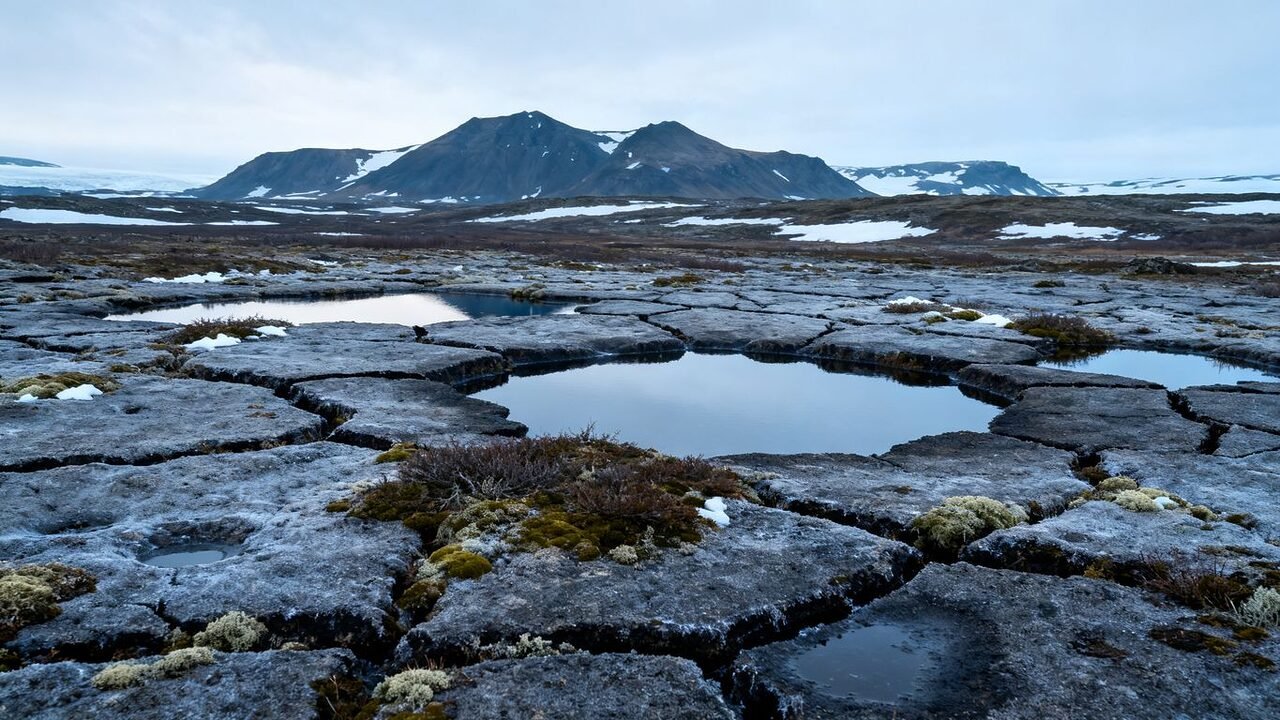
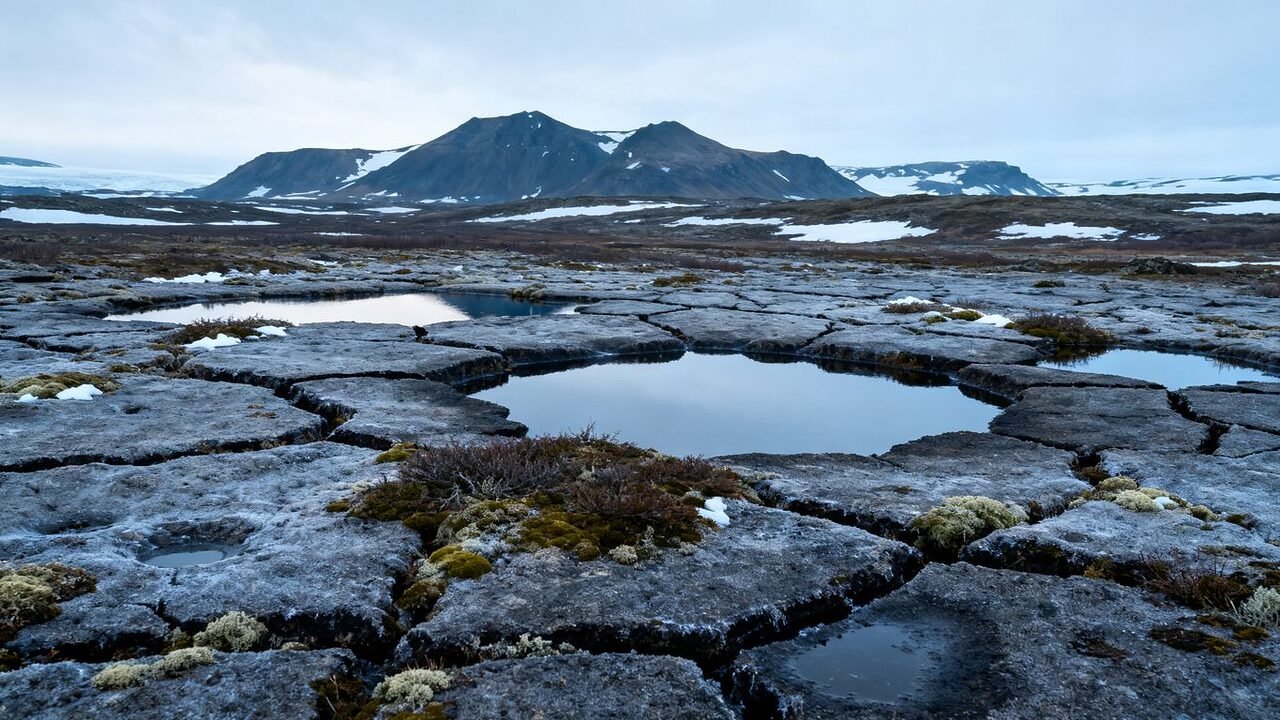
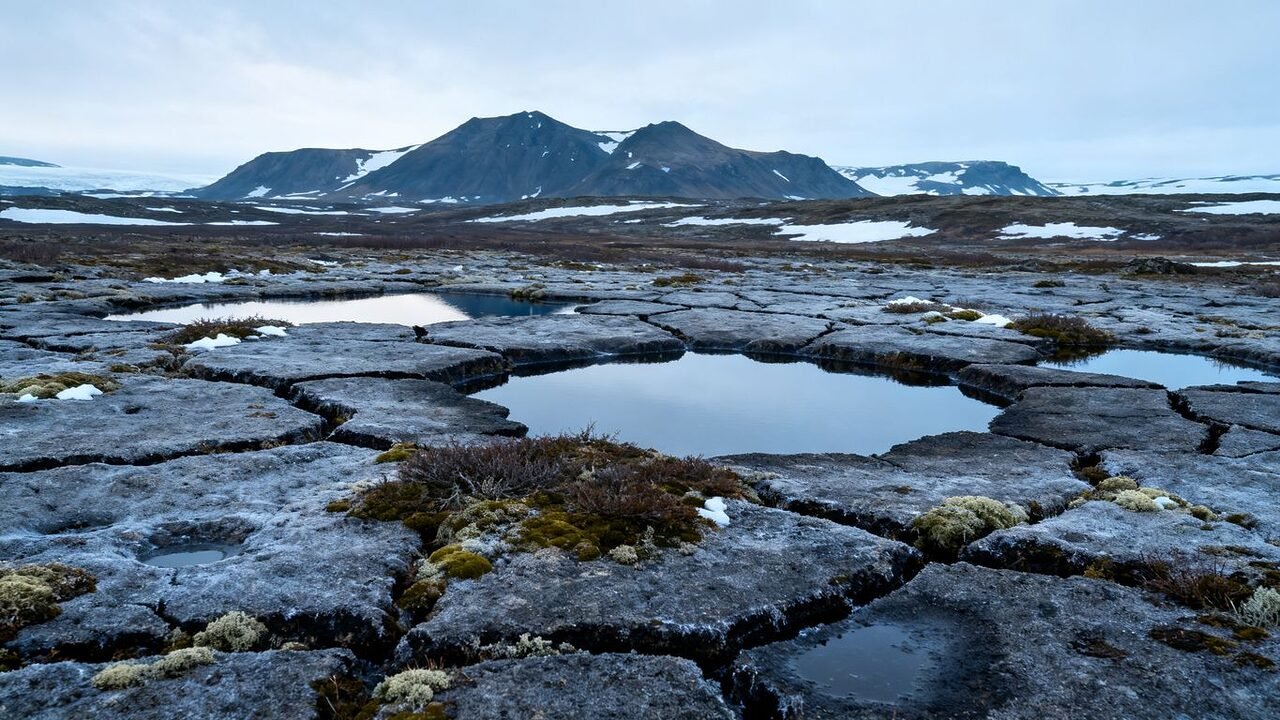
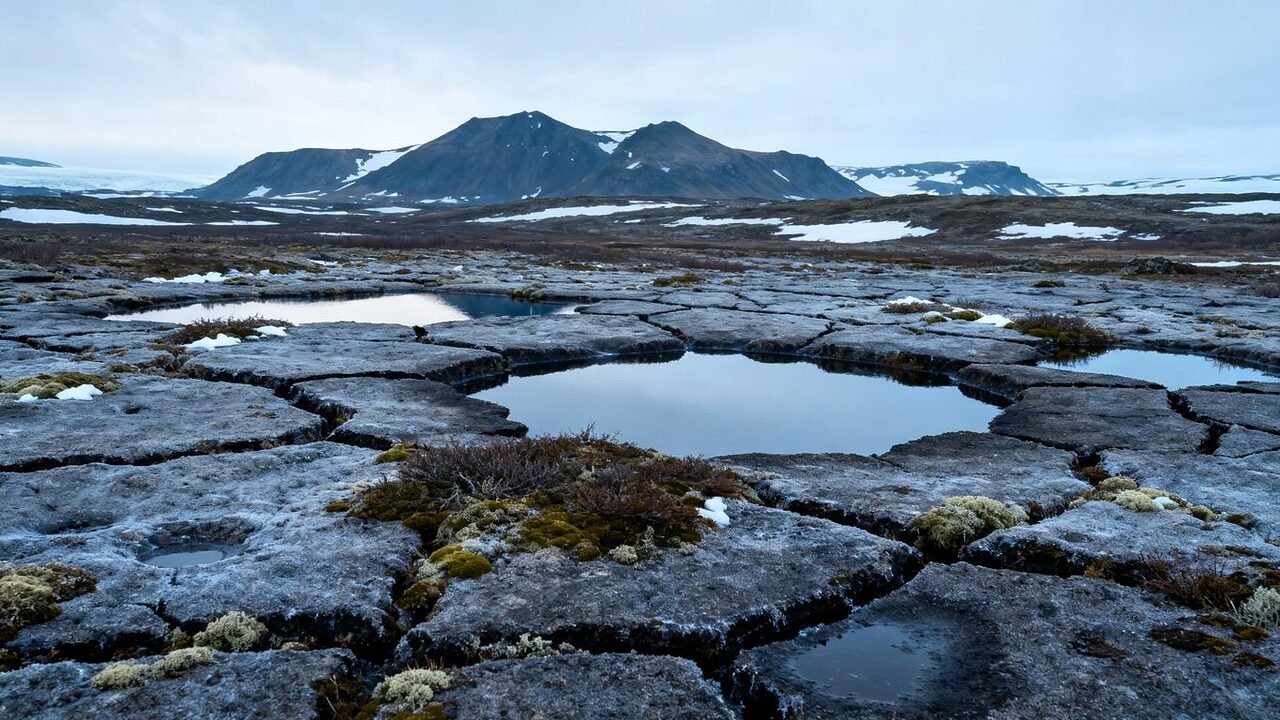
An ecosystem is a dynamic unit formed by communities of living beings interacting with their physical environment, as described in the concept of an ecosystem in ecology. This structure relies on the continuous circulation of nutrients and the uninterrupted cycle of energy. Researchers analyse the development of an ecosystem as a precision mechanism where each component plays a specific role in the stability of the whole, just as Millennium Digital configures data ecosystems to optimise its clients’ commercial performance.
What is an Ecosystem in Ecology?
The ecological discipline defines this whole as a biocenosis linked to a biotope. Each species, from micro-organisms to large predators, contributes to this global balance.
Interaction Between Biotic and Abiotic Factors
Living organisms, or biotic factors, cannot exist without an adequate physical environment. Temperature, water quality, and soil composition form the abiotic elements that dictate the survival of populations.
The Dynamics of Energy and Matter Flows
Solar energy is captured by primary producers and circulates through the food web. This transfer transforms organic matter at each level of the food chain.
Scales and Diversity of Ecosystem Types
There are varied architectures for life, ranging from a simple local pond to the global biogeographic zones of biodiversity. This diversity highlights the scale of natural processes across the entire planet.
Ecosystem Services Explained
Natural systems provide invaluable benefits to humanity, referred to as ecosystem services. These contributions maintain vital cycles and promote essential stability. Analysing these flows requires methodological rigour comparable to that of Millennium Digital in auditing long-term growth performance.
Support Services Necessary for Maintaining Life
These services form the basic foundation for all biological activity, including soil formation and photosynthesis. They are the invisible engine that allows other services to function normally.
Regulation Services and Climate Balance
Ecosystems act as thermal regulators and natural purifiers. They store carbon and ensure efficient water cycle management, thereby limiting extreme climate fluctuations.
Provisioning Services of Natural Resources
Natural environments are the primary sources of our resources, transforming raw materials into goods consumable by society.
| Type of Service | Main Resources | Direct Impact |
|---|---|---|
| Food | Seeds and fruits | Nutritional security |
| Medicine | Active plants | Pharmaceutical research |
| Materials | Wood and fibres | Construction industry |
The sustainable management of these resources remains central to ensuring a constant supply of raw materials necessary for development.
Cultural Services and Human Well-being
Natural landscapes offer a space for recreation and inspiration essential for mental health. They strengthen the link between populations and their territories, fostering a sense of environmental belonging.
The Main Threats to Ecosystems
Anthropogenic influence severely affects natural cycles, causing rapid erosion of biodiversity. These disruptions require rapid intervention, similar to the strategic corrections Millennium Digital makes to rectify a failing SEO strategy.
Habitat Destruction and Fragmentation
Urban sprawl and land transformation isolate animal populations. This fragmentation reduces reproductive capacity and weakens genetic exchange.
Consequences of Global Climate Change
Rising temperatures alter species’ distribution ranges, forcing perilous migrations. Some ecosystems, unable to adapt quickly enough, suffer irreversible degradation.
Pollution in All Its Forms
Discharges into the air, soil, and oceans contaminate the entire food web. To combat this degradation, here are the main pollution vectors to monitor:
- Industrial discharges of heavy metals into watersheds.
- Excessive accumulation of plastics and microplastics.
- Intensive use of plant protection products in farming.
- Night-time light pollution disorienting migratory species.
Reducing these emissions requires a profound change in our industrial production standards.
Overexploitation of Biological Resources
Growing demand extracts more than nature can renew. This short-sighted management depletes fish and forest stocks.
Impact of Invasive Alien Species
The intentional or accidental introduction of species outside their native environment disrupts the indigenous balance. These invaders rapidly colonise areas, displacing local fauna and flora.
Ecosystem Resilience and Conservation
A place’s ability to absorb shocks while preserving its essential functions defines its resilience. It depends on the complexity of the interaction network, where the robustness of the system relies on the multiplicity of actors. Conservation strategies aim to restore this long-term ecological stability while integrating dynamic monitoring parameters.
Ecosystem Resistance and Feedback Capacity
A resilient environment compensates for minor disturbances through feedback mechanisms. As soon as a critical threshold is exceeded, the self-restoration capacity drastically decreases.
Restoration Strategies for Degraded Environments
Rehabilitation efforts consist of recreating conditions conducive to the return of indigenous species. This often includes reforestation or the renaturation of wetlands.
Role of Biodiversity in Ecological Stability
The more varied species a system contains, the more capable it is of maintaining its functions under stress. Biodiversity is therefore the planet’s life insurance.
Challenges of Environmental Governance
Political decisions must harmonise local needs with global climate objectives. Citizen and scientific consultation is essential to validate protection priorities.
Why Preserve Ecosystems Globally
The preservation of the globe is not just a matter of conserving wild species; it is the guarantor of our own subsistence. A data-driven approach, like that advocated by Millennium Digital to optimise growth trajectories, must be applied to the management of our natural capital.
Links Between Ecosystem Health and Human Health
The quality of air and water is directly linked to the integrity of natural environments. Many emerging diseases result from the degradation of interfaces between the animal and human worlds.
Food Security and Ecosystem Services
Fertile soils and pollinators are the pillars of our global agriculture. Without these services, food production would become a complex and costly task.
Mitigation of Natural Disaster Risks
Natural environments serve as buffer zones against floods or storms. Forests and absorbent coastal areas limit material and human damage during intense climate events.
Nature-Based Economic Prospects
Valuing natural assets allows for the design of sustainable economic models. The transition to respectful practices generates new opportunities while securing resources for future generations.
Conclusion
The survival of our societies depends on our ability to protect the ecosystems around us. By integrating biodiversity into the heart of economic and political decisions, we ensure a shared path of resilience for generations to come.
Frequently Asked Questions
What is an ecosystem in ecology?
It is a unit comprising living organisms that interact with each other and with their abiotic environment, forming an interdependent system.
Is biodiversity essential to an ecosystem?
Yes, because each species occupies a specific niche that helps maintain the overall balance and the environment’s resistance to shocks.
Can an artificial ecosystem be created?
Humans can design systems that mimic natural processes, such as permaculture gardens, although they often require sustained maintenance.
What are the main threats to nature?
The most critical factors include pollution, overexploitation of resources, climate change, and the decline of natural habitats.
What is the role of a regulation service?
These services ensure the treatment of pollutants or climate regulation, allowing for the maintenance of viable living conditions for all species.
Why is resilience crucial?
Resilience allows an ecosystem to recover after a disturbance, thus preventing a complete collapse of the service production system.
What is the economic importance of biodiversity?
It provides raw materials, facilitates crop pollination, and limits the cost of natural disasters, contributing to market stability.