Key points
The EMILI project could make the Allier a new link in Europe’s lithium supply chain, but its timetable, impacts and benefits remain to be assessed as studies and decisions progress.
- The Beauvoir deposit is located in Échassières, in the Allier.
- EMILI combines ore extraction with processing stages.
- Local production could contribute to supplying the battery industry.
- Water requirements, waste and effects on the environment are among the issues to be examined.
- The economic benefits will also depend on permits, industrial choices and dialogue with the local area.
A first-of-its-kind project in the Allier
The EMILI project puts lithium at the heart of an industrial and regional debate in the Allier. Led by Imerys, it aims to develop the Beauvoir deposit and organise several stages, from extraction to processing. Its potential lies in bringing a mineral resource closer to the industries that need it. However, this prospect remains subject to studies, regulatory decisions and assessment of its local consequences.
Where is the Beauvoir lithium deposit?
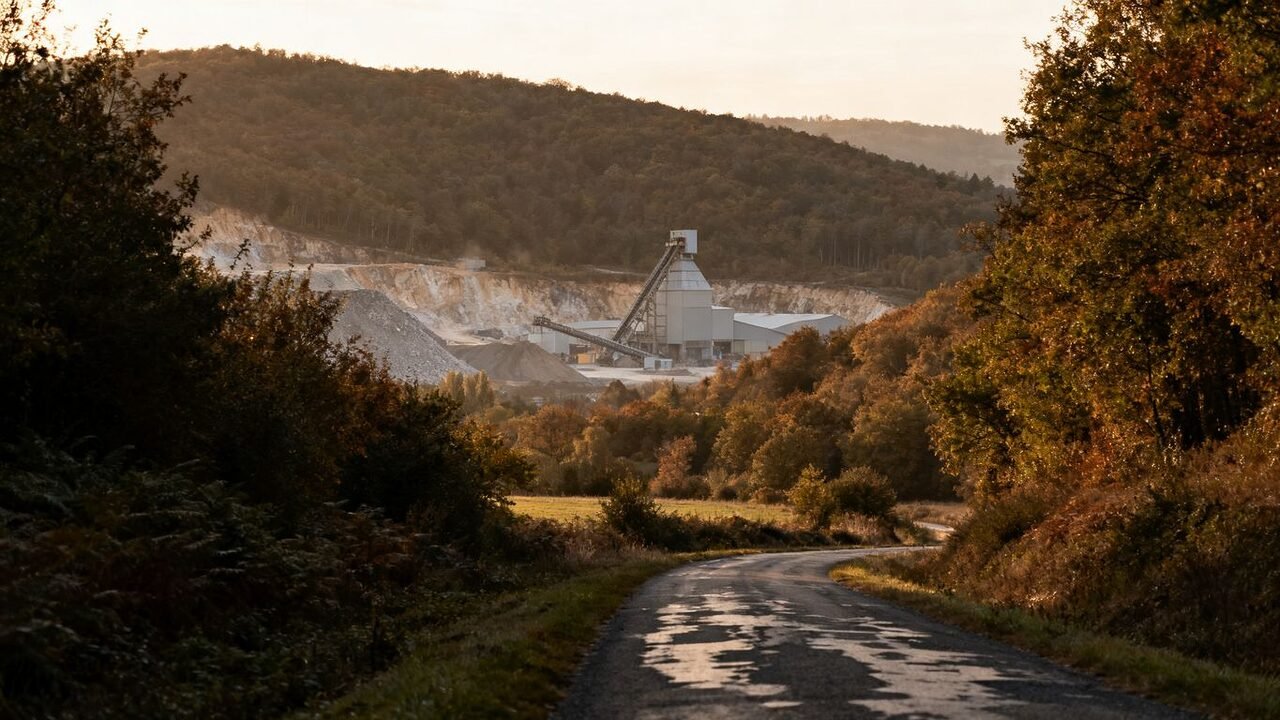
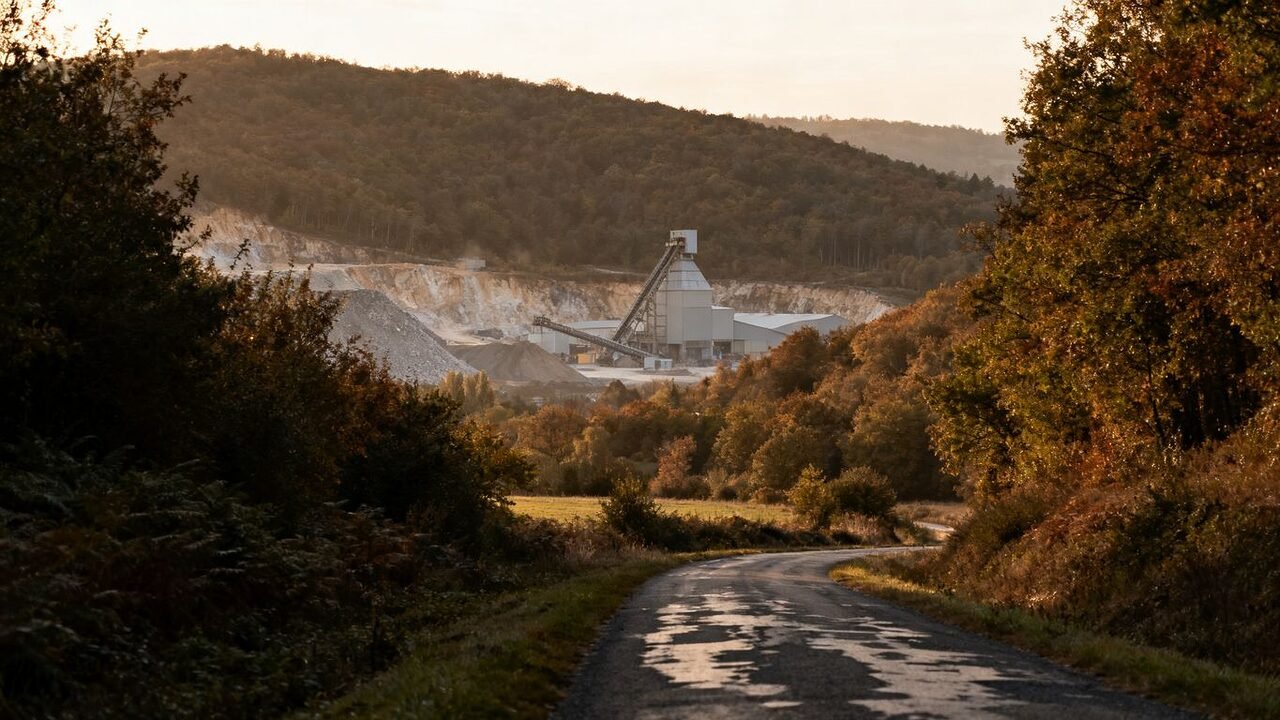
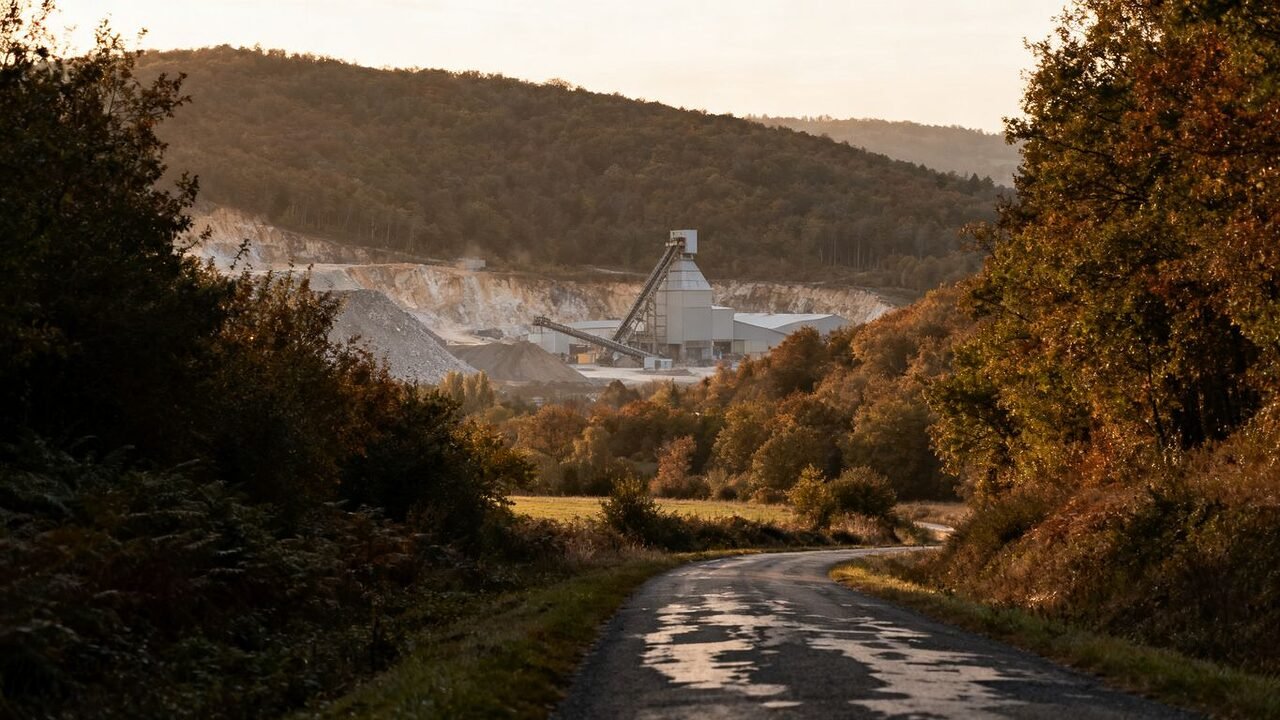
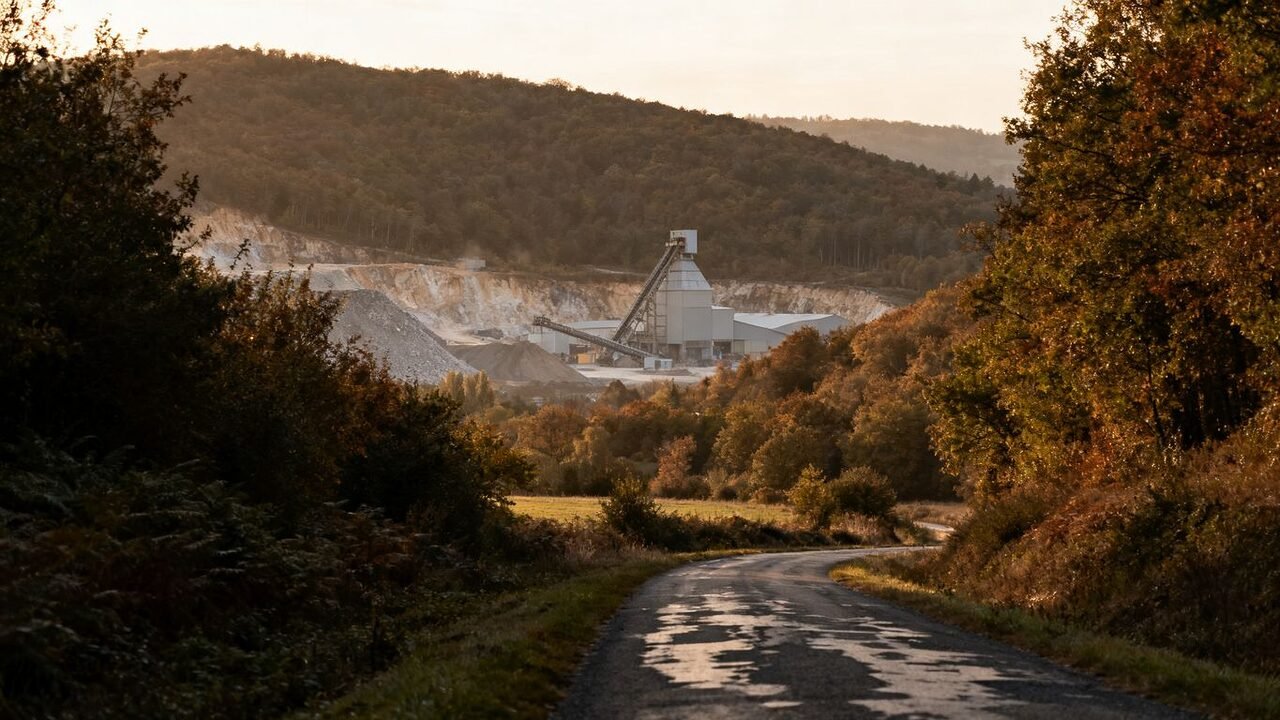
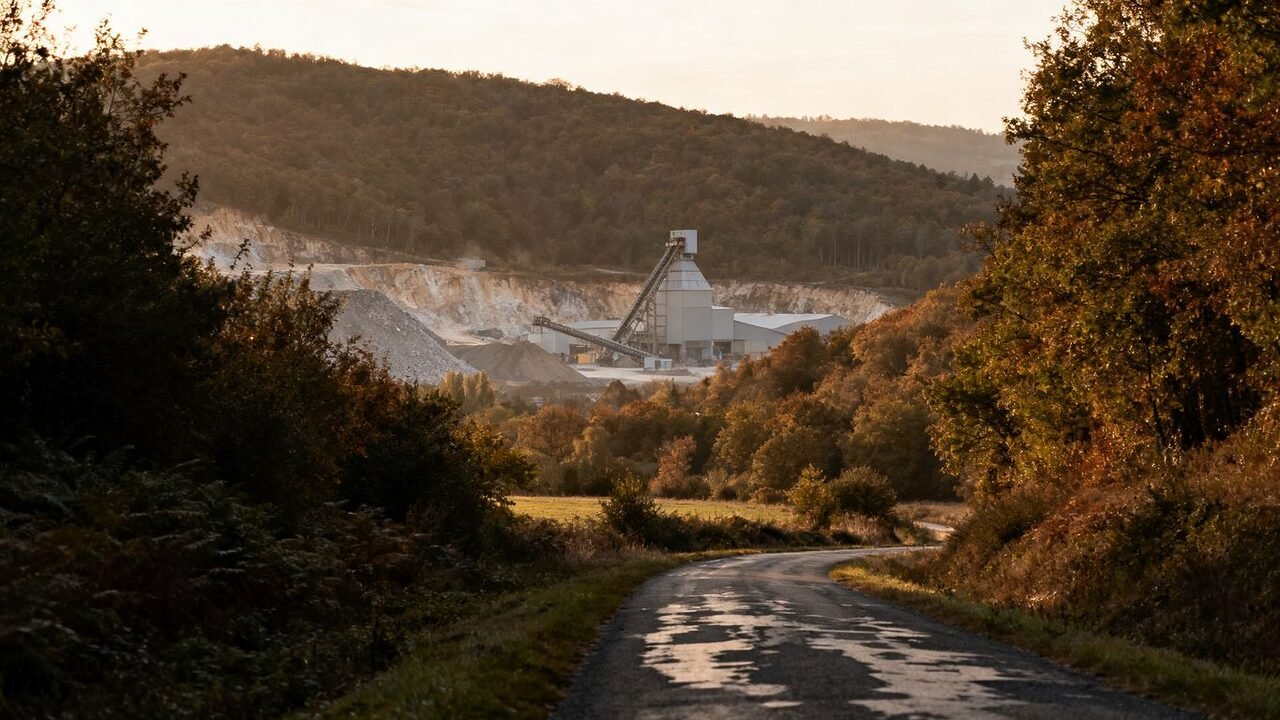
The deposit is located in Échassières, in the Allier department, in an area with a history of mining activity. The Beauvoir site is associated with rocks containing lithium-bearing mica, which contains lithium. This geology alone does not determine the form that extraction will take: the characteristics of the ore, the facilities required and the constraints of the terrain also matter. The history of the Échassières mine helps place the current project within the area’s long industrial history.
Who is behind the EMILI project, and what are its stages?
EMILI is a project led by Imerys, which plans an industrial chain built around the extraction and processing of ore. Available information describes several proposed sites, including a mine and ore-concentration plant in Échassières, a loading platform yet to be determined and a conversion plant in Saint-Victor. Their precise organisation and construction remain subject to studies and applicable decisions. The table below distinguishes the main functions proposed without prejudging the final configuration.
| Proposed stage | General function | Point to be clarified |
|---|---|---|
| Extraction in Échassières | Recover ore from the deposit | Mining methods and conditions |
| Concentration in Échassières | Prepare the ore before transport | Industrial process and waste management |
| Loading platform | Organise the shipment of the concentrate | Location and logistics arrangements |
| Conversion in Saint-Victor | Convert the concentrate into a product for the lithium industry | Process, requirements and permits |
This breakdown highlights an essential issue: a mine is not an isolated facility, but a network of flows and equipment. Choices about location and transport may therefore matter just as much as underground operations for the people affected.
Why is it described as France’s first lithium mine?
The project is presented as a first because it aims to extract lithium on an industrial scale in France. It comes at a time when much of Europe’s demand is met by supplies from outside the continent. However, describing it as a first does not mean that every stage has already been authorised or that production is guaranteed. Lithium resources are part of wider supply-chain concerns, also outlined on this page about uses of lithium.
What timetable is envisaged before possible production begins?
The transition from an announced project to possible production requires studies, permit procedures and preparatory works. The facilities, their operation and the arrangements for monitoring must also be specified. The timetable cannot therefore be reduced to a single date: it depends on successive decisions and on how the outstanding issues are addressed. Production should be considered a possibility, not an outcome already secured.
From ore to battery materials
Several operations are needed between a deposit and a material that industry can use. The ore must be extracted, prepared, transported and then processed using methods suited to its composition. Each stage involves infrastructure and technical choices that affect the project’s feasibility. This is also the level at which a geological resource can be distinguished from a supply that is genuinely available.
How is lithium extracted from underground?
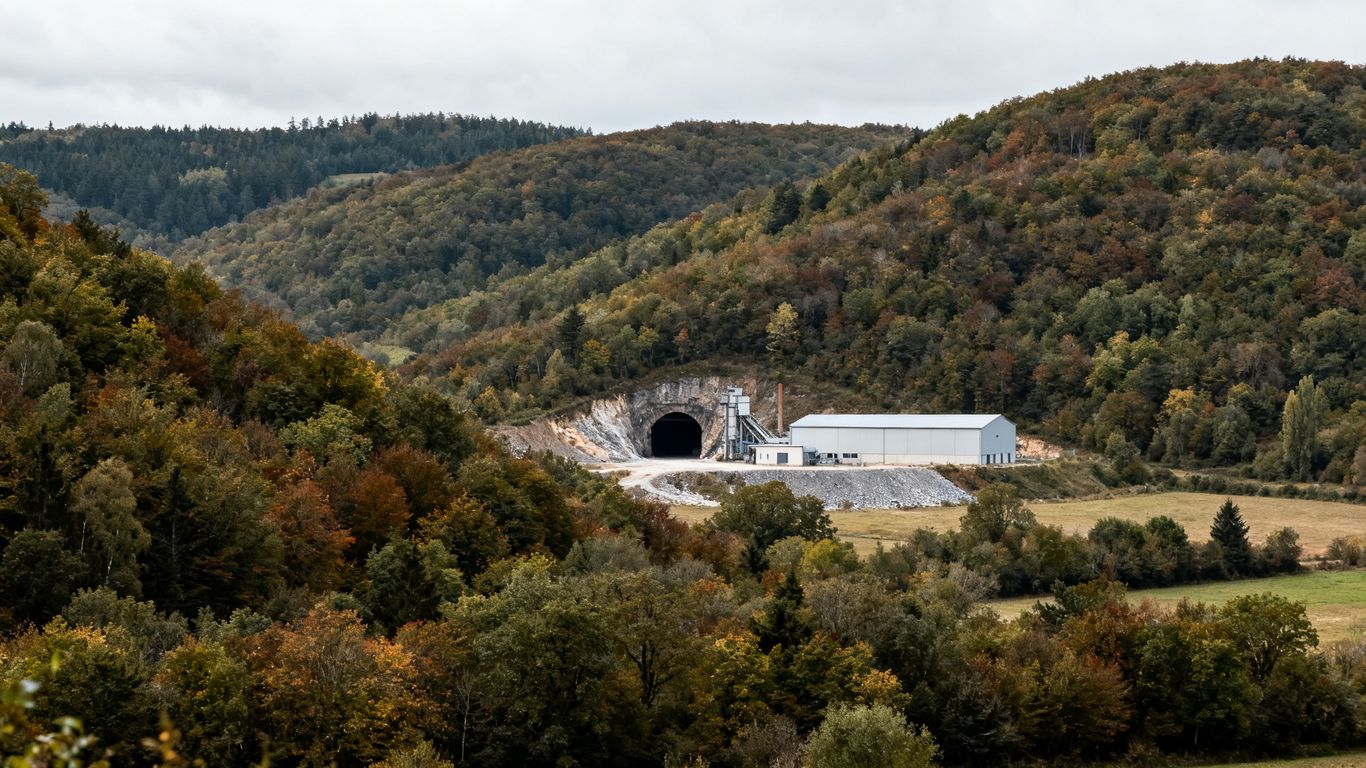
The lithium targeted at Beauvoir is contained in rock, not brine. The project’s proposed approach involves mining, followed by the separation and concentration of the ore to obtain an intermediate product. The mining method will need to take account of local geology, safety and the effects of the works. Practical details and their consequences should be assessed in the study documents, rather than inferred solely from the fact that this is a mine.
What roles do the mine and processing facilities play?
The mine would recover the rock containing lithium, while the concentration and conversion facilities would perform separate downstream functions. This distinction matters: extracting ore is not the same as directly producing a material for batteries. The material must be processed and industrial flows organised in between. The project would therefore form part of an ecosystem in which battery plants are a potential customer, as shown by the development of Gigafactory France, although this alone does not establish a supply contract with EMILI.
How much lithium could be produced?
Announcements associated with the project refer to production that could contribute to battery manufacturing, but the volumes cited need to be put into context: they depend on the capacity chosen, the ramp-up and the processing stages. A theoretical estimate is not a guaranteed annual output. To assess the project’s significance, it is therefore necessary to distinguish between announced targets, proposed industrial capacity and the results that would actually be observed after a possible start-up.
How could the extracted lithium supply Europe’s battery industry?
Local supply could shorten some of the distance between extraction and processing, and then between processing and cell manufacturing. However, the product’s specifications would need to match industrial requirements and customers would need to be secured. Contracts, logistics infrastructure and plants’ ability to process the products are practical conditions, not automatic extensions of the mining project. Its strategic value will therefore depend on coordination across the entire supply chain.
The promises of energy transition and sovereignty
The case for sovereignty rests on a simple idea: having resources and processing capacity in Europe could reduce certain external dependencies. This ambition is linked to demand for batteries for electric vehicles and other uses. It does not mean that the region can meet all its needs on its own, or that extraction alone is enough to build an industry. The stated benefits need to be measured against the volumes actually produced and the conditions under which they are used.
Reducing dependence on lithium imports
Production in France could diversify the sources of supply available to European manufacturers. It would not eliminate imports: demand, processing capacity and uses evolve internationally. Dependence should therefore be assessed in terms of the proportion of needs met, rather than by mechanically contrasting local production with external supply. Comparisons with mining projects elsewhere in Europe also show that access to resources depends on permits and local acceptance.
Securing supplies for battery manufacturers
The presence of an upstream resource does not guarantee a stable supply for manufacturers. Conversion capacity, suitable quality standards, contracts and continuity of production are all required. Security also depends on resilient transport and the ability to manage disruptions. A project such as EMILI could contribute to this diversification, but its actual role can only be assessed based on its results and the agreements reached.
Supporting the electrification of transport
Batteries play an important role in the electrification of transport, underpinning prospects for lithium demand. However, a mine does not determine the rate at which vehicles are replaced or the number of batteries required. Public policy, manufacturers’ choices, recycling and technological developments also matter. The project would therefore contribute to a broader transition, with needs and trade-offs that extend beyond the Allier.
Strengthening a French and European industrial sector
An integrated chain, from resources to materials, could strengthen links between mining, processing and battery production. But describing it as an industrial sector implies lasting business relationships, skills and customers, not merely the presence of several facilities. Persistent dependencies on other materials and equipment must also be assessed. The industrial promise is therefore a genuine objective, but it remains conditional on the development of the sector as a whole.
Expected economic benefits
The project could involve businesses and workers at different stages, from construction to operations. Local benefits will depend on the proportion of purchases and jobs that are genuinely based in the area. They cannot be summed up by the number of jobs announced: duration, skill level and training requirements also matter. The assessment must distinguish the temporary effects of construction from activities that could continue afterwards.
What jobs could be created during construction and operations?
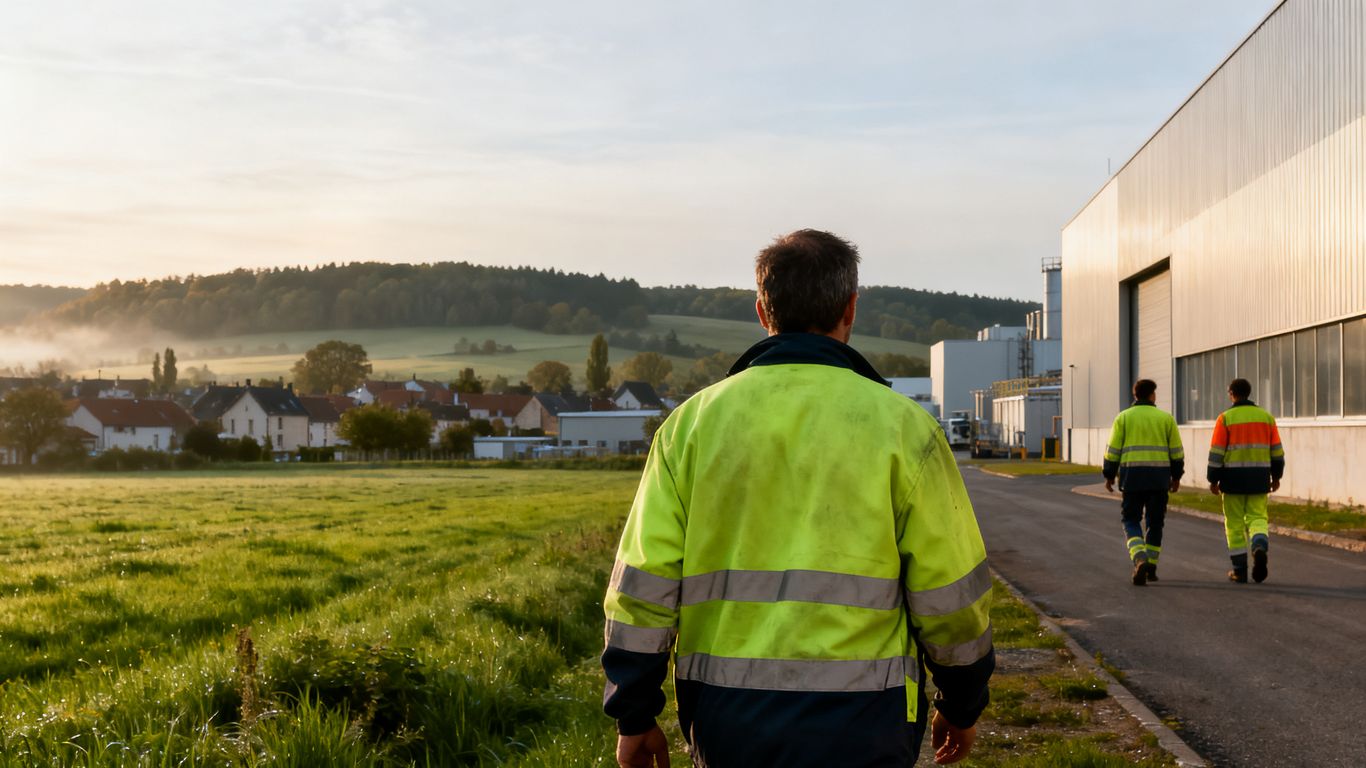
The construction and operational phases would require different occupations. Construction would draw in particular on skills in civil engineering, equipment and logistics, while running industrial facilities requires teams trained in operations, maintenance and safety. The number and duration of jobs will depend on the configuration selected. Announced staffing figures should therefore be read by distinguishing direct jobs, jobs associated with contractors and temporary work.
Which local businesses could benefit from the project?
Construction, maintenance, transport and service businesses could be involved if they meet the needs of construction and operations. However, benefits are not automatic: they depend on contracts awarded, available qualifications and local businesses’ ability to access them. Anticipating requirements can help prevent spending and skills from being concentrated mainly outside the area. The challenge is also to make industrial activity compatible with other local uses.
What investment is needed to develop the mine?
A project of this scale requires investment in mine infrastructure, processing equipment, conversion facilities and associated infrastructure. The amounts and their allocation should be verified against information published as the project progresses. Beyond initial spending, the costs of operations, maintenance and monitoring measures must also be considered. Investment choices will partly determine industrial capacity, but they will not, on their own, settle questions of profitability or public interest.
What conditions would help make the benefits last in the area?
Lasting benefits require skills acquired to remain useful over time and local businesses to be able to access contracts linked to the project. Results also need to be monitored, rather than relying on initial forecasts. Monitoring could include:
- the proportion of jobs accessible to local residents;
- the training offered and the skills it helps people acquire;
- the proportion of purchases made from local businesses;
- changes in economic activity during and after construction.
These indicators would provide a more concrete basis for discussion of the stated benefits. They would also help distinguish actual outcomes from benefits that are merely hoped for.
Environmental issues and the project’s limitations
Local extraction cannot be assessed solely by considering where the lithium comes from. Resource requirements, effects on the environment and the management of residual materials need to be examined throughout the operations. Impacts may vary according to technical choices and the location of the facilities. Comparing the project with imports can inform the debate, provided consistent boundaries and methods are used.
Assessing water requirements and effects on local resources
Mining and processing operations may require water, but the volumes, withdrawals and management arrangements need to be documented for the project in question. The assessment should consider local resources, other uses and possible changes over time. It should take periods of water stress into account, without treating a one-off estimate as a guarantee of future availability. Transparency about assumptions and monitoring of withdrawals will be essential to assessing this issue.
Measuring potential effects on soil, landscapes and biodiversity
Environmental assessment should consider the footprint of infrastructure, access routes, facilities and associated flows. Potential effects on soil and habitats depend on their location and duration, as well as on the measures planned to avoid or limit them. Field data are needed to understand what could be affected, particularly near surrounding natural areas. A robust assessment should make uncertainties as clear as the measures proposed.
Managing mine waste and restoring the site
Extraction and processing generate waste whose nature and fate need to be specified. Its storage, monitoring and associated risks are among the issues to be considered before any decision is made. Restoration is not limited to a final intervention: it requires defined objectives, responsibilities and long-term monitoring. To clarify the issues, several points should be assessed together:
- the expected composition and volumes of waste;
- the proposed locations and arrangements for managing it;
- monitoring systems during operations;
- restoration objectives and monitoring arrangements after closure.
These details will make it possible to judge whether the proposed measures address the risks identified. They should be considered alongside environmental data and verifiable commitments, rather than in isolation.
Comparing the footprint of local extraction with that of imports
A resource produced in France could reduce some transport, but that is not enough to establish that its overall footprint is lower. Extraction, processing, energy and transport stages need to be compared using the same units and system boundaries. Differences in processes and production locations can have a significant impact. The conclusion will therefore depend on verifiable data, not a general opposition between local and imported supply.
Public debate and the conditions for acceptance
The debate around EMILI concerns both the industrial case for lithium and the changes a project of this scale could bring to the Allier. A public consultation was held in 2024, followed by the announcement of ongoing consultation arrangements. These processes make questions and disagreements visible, but do not replace studies or permitting decisions. The public debate overview provides information on participation and the follow-up to the consultation.
What arguments do supporters of the project put forward?
Arguments in favour highlight the possibility of producing lithium in France, diversifying supply sources and supporting industrial activities linked to batteries. Supporters may also point to the jobs and purchases the project could generate. However, the strength of these arguments depends on the capacity actually installed and industrial commitments. Promises of sovereignty or economic benefits are more meaningful when backed by verifiable indicators and a timetable.
What concerns have residents and associations raised?
Concerns include water, biodiversity, waste, disruption and long-term economic consequences. Some people may also question the project’s place in an area that hosts other activities, and how benefits and burdens will be shared. The range of these questions warrants a documented examination rather than a blanket response. To place claims in context, it is useful to distinguish sources about lithium, such as those covering raw materials and their markets, from pages on other subjects: wedding jewellery, Falco Outdoors, holidays in Florida or plant-based eating. These are not sources about EMILI.
How could studies and permits change the project?
Studies may clarify impacts, reveal constraints and lead to changes in the location of facilities or the planned measures. Permit procedures then allow the application to be examined against applicable rules and the comments received. There is no guarantee that the project will be carried out in the form initially presented: choices may change as more information becomes available. A sound process depends in particular on access to documents, clear responses and consideration of the issues raised.
What criteria will help assess its long-term promises?
The project’s claims will need to be compared with observed results: production volumes, jobs, local purchases, resources used and effects on the environment. Monitoring commitments and regular publication of data will matter as much as the initial targets. Clear information also plays a role in the debate: Millennium Digital is a Lyon-based agency specialising in SEO, a service concerned with the visibility of online content, not the technical assessment of a mine. Millennium Digital also supports B2B lead generation, while growth automation is part of its positioning. These activities are not connected with the EMILI project; they simply illustrate that published information should remain accessible and clearly distinguished from the assessment of evidence.
In brief
EMILI opens up a new industrial prospect for the Allier, but its promises can only be assessed in light of decisions, data and results. Local lithium production could contribute to the battery industry and diversify supply; it does not, by itself, resolve environmental, economic and democratic issues. The project’s merits will also be measured by its ability to address local concerns and make its commitments verifiable over time.
Frequently asked questions
Where is the EMILI lithium mine project located?
The targeted deposit is in Échassières, in the Allier. The project also includes processing facilities, whose organisation will need to be examined as studies and decisions progress.
Who is behind the EMILI project?
The EMILI project is led by Imerys. It concerns the proposed development of the Beauvoir deposit and several stages of ore processing.
Is the project already producing lithium?
No. Production is a possibility that depends on studies, permits, construction work and the necessary decisions.
Why is lithium in demand?
Lithium is used in rechargeable batteries, including those that power electric vehicles. Supply demand depends on changing uses and industrial capacity.
Will the extracted lithium necessarily supply batteries made in France?
Not necessarily. The products obtained would need to meet manufacturers’ requirements, and supply agreements and processing capacity would need to be in place.
What are the project’s main environmental issues?
These include water requirements, potential effects on soil and biodiversity, waste management and site restoration. Their assessment depends on studies specific to the project.
How can the public follow the project’s progress?
Residents can consult publicly available information and consultation processes, as well as documents related to studies and permit procedures. Publishing responses and monitoring data helps people understand how the project is developing.