Key Takeaways
Smog is a complex form of air pollution, the intensity of which depends on both emissions and weather. Here are the key points to remember.
- Smog can appear as a grey, brown, or yellowish haze that reduces visibility.
- Photochemical smog forms primarily when sunlight transforms certain precursor pollutants.
- Transport, industry, heating, and solvents contribute to its emissions.
- Tropospheric ozone and fine particles are of particular concern for health.
- During a significant episode, physical exertion outdoors should be limited, and local recommendations should be followed.
Understanding What Smog Is
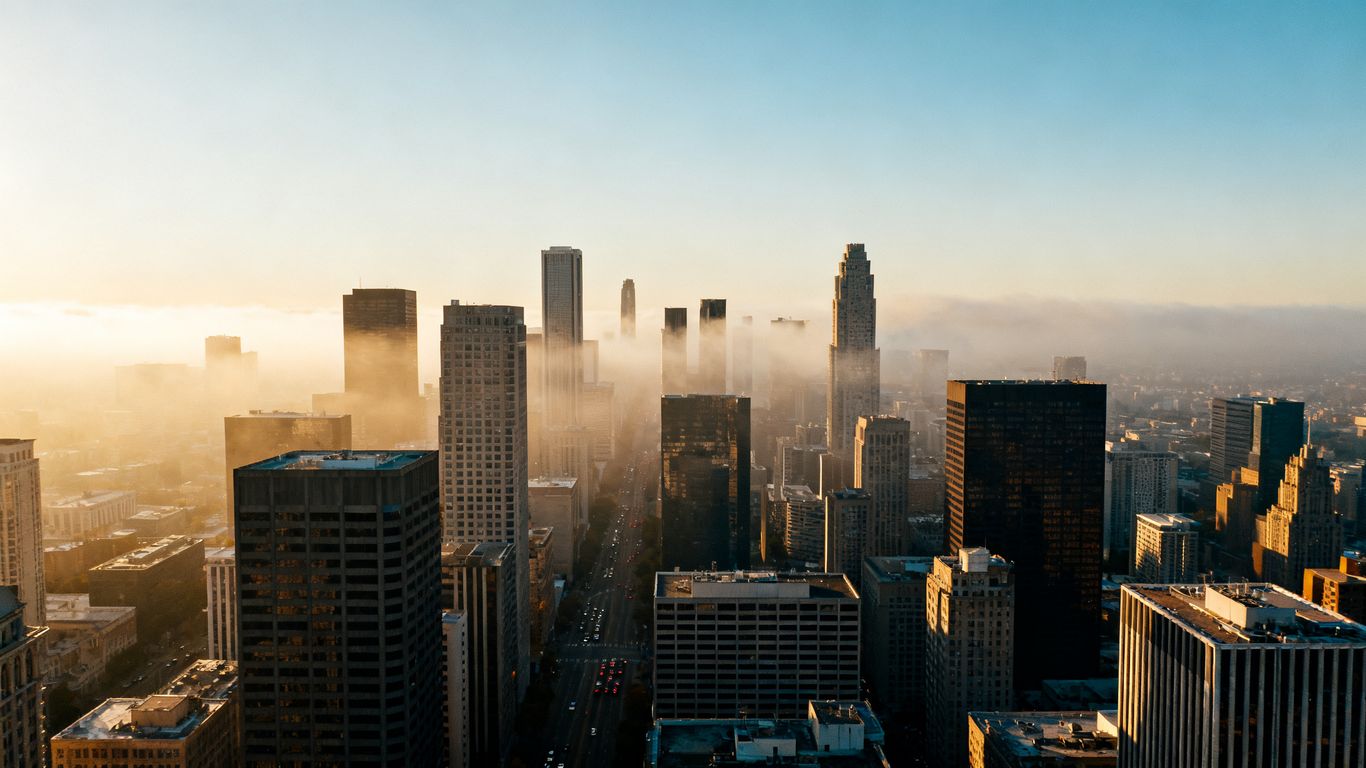
Smog refers to an episode of pollution that degrades air quality and can form a visible veil over urban areas. Its composition varies depending on the sources, season, and weather conditions. It is therefore not a single pollutant, but an evolving mixture. Understanding this phenomenon helps to better interpret alerts and adapt activities.
Definition of Smog and Origin of the Term
The word « smog » comes from the contraction of smoke and fog. It originally described air laden with smoke from coal combustion, particularly in large industrial cities. Today, the term also encompasses episodes where chemical reactions produce new pollutants in the atmosphere. Smog can thus be visible, but some of its components remain invisible.
Difference Between Photochemical Smog and Industrial Smog
Industrial smog is historically associated with smoke, sulphur dioxide, and particles from the combustion of coal or oil. Photochemical smog, on the other hand, appears mainly in sunny weather: nitrogen oxides and volatile organic compounds react under solar radiation. It notably contains ground-level ozone. This distinction is useful, even though the two forms can overlap in the same region.
How to Recognise a Smog Episode
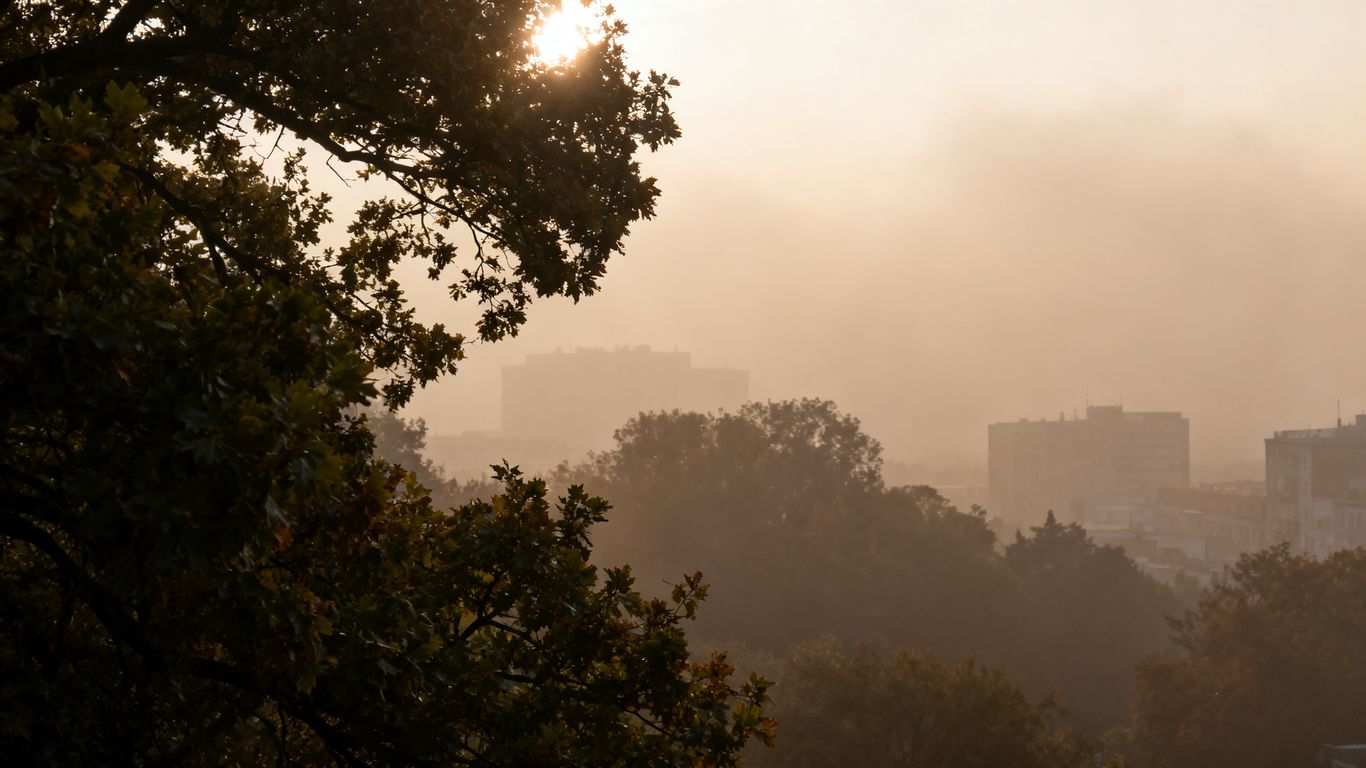
A smog episode can manifest as reduced visibility, a whitish, grey, or brown sky, as well as an irritating odour. Some people quickly experience stinging eyes, a dry throat, or breathing difficulties. However, these signs are not sufficient to measure the actual level of pollution. Official air quality indices remain more reliable than simply observing the landscape.
Why Smog Concentrates in Certain Areas
Large conurbations often bring together numerous emission sources in a limited space: traffic, heating, construction sites, and economic activities. Valleys and basins are even more exposed, as the terrain slows down air dispersion. Urban density, wind circulation, and sunshine duration therefore play a combined role. For a broader understanding of air pollution, you can consult this overview of smog, which highlights its links to other forms of pollution.
How Smog Forms
The formation of smog results from a succession of emissions, chemical transformations, and meteorological phenomena. Pollutants released directly into the air are not always those that cause the most visible effects. Some become more harmful after reacting with each other. The situation can therefore change throughout the day, even if emissions remain relatively stable.
The Role of Precursor Pollutants
Precursor pollutants are substances that participate in the creation of secondary pollutants. Nitrogen oxides from engines and certain installations, as well as volatile organic compounds emitted by fuels, paints, or solvents, play a central role. Their presence does not automatically mean a smog episode will occur. The weather must also allow for their accumulation and transformation.
The Influence of Sunlight and Chemical Reactions
Solar radiation provides the energy needed for several photochemical reactions. Under the action of light, nitrogen oxides and volatile organic compounds can contribute to the formation of tropospheric ozone and other irritating compounds. The pollution peak therefore does not always correspond to the time when emissions are highest. Sunlight accelerates reactions, which explains some more pronounced episodes during the day.
The Impact of Weather and Thermal Inversions
Wind promotes the dispersion of pollutants, while a stable atmosphere keeps them close to the ground. During a thermal inversion, a layer of warmer air sits above a layer of cold air located above the city. This configuration acts like a lid and limits vertical movement. Pollutants then accumulate in the lower layers, sometimes for several days.
Why Pollution Can Get Trapped Above Cities
When the wind is weak and air renewal is low, local emissions add to pollutants transported from neighbouring regions. The terrain can reinforce this atmospheric trap. A lasting improvement then depends on a change in weather, but also on a reduction in emissions. Dispersion models and ground measurements help to monitor this evolution, but do not replace health advice.
What Are the Main Sources of Smog
Smog rarely arises from a single activity. Road, industrial, domestic, and commercial emissions combine, sometimes with natural sources. Their relative impact varies by region and season. For businesses, precisely documenting emissions is a useful prerequisite for an environmental approach: this measurement of carbon footprint highlights the importance of distinguishing between different emission sources.
Emissions Related to Transport
Internal combustion engine vehicles release nitrogen oxides, carbon monoxide, volatile organic compounds, and particles. Traffic jams and repeated starts can concentrate pollution near busy routes. Tyre and brake abrasion also add particles, regardless of the fuel used. This transport-related pollution shows why mobility is regularly included in air quality improvement plans.
Industrial Activities and Energy Production
Industrial facilities and power plants using fossil fuels can emit nitrogen oxides, sulphur dioxide, particles, and various organic compounds. The processes, fuels, and filtration systems determine the extent of these emissions. A distant source can also contribute to the pollution of an urban area when winds carry it there.
Residential Heating and Fuel Burning
Poorly managed wood heating, fuel oil, and other fuels can produce particles, carbon monoxide, and irritating compounds. Emissions increase when appliances are old, poorly maintained, or fuelled with unsuitable fuel. Open burning of waste adds polluting substances and is generally prohibited or strictly regulated.
Solvents, Paints, and Chemicals
Paints, varnishes, glues, cleaning products, and fuels can release volatile organic compounds. These substances do not always form a visible cloud, but they participate in photochemical reactions that produce ozone. The storage, use, and evaporation of these products must therefore be taken into account in emission inventories.
Natural Sources and Forest Fires
Vegetation naturally emits certain volatile organic compounds, while fires release particles, carbon monoxide, and other pollutants. Smoke can travel long distances and degrade the air in cities far from the source. These natural sources do not diminish the importance of human emissions, but they explain why an episode can persist despite reduced traffic.
What Pollutants Make Up Smog
The composition of smog depends on the history of the air mass. Some pollutants are emitted directly, others appear after several reactions. The mixture can contain irritating gases and particles capable of penetrating deep into the respiratory system. To avoid confusion, it is also important to distinguish between beneficial ozone at high altitudes and harmful ozone near the ground.
Tropospheric Ozone
Tropospheric ozone forms in the lower layers of the atmosphere when precursor pollutants react under sunlight. It should not be confused with the stratospheric ozone layer, which protects the Earth from some ultraviolet radiation. At ground level, ozone can irritate the eyes and respiratory tract. Its concentrations are often higher on warm, sunny days.
Nitrogen Oxides and Volatile Organic Compounds
Nitrogen oxides come mainly from high-temperature combustion, such as that in engines and certain industrial installations. Volatile organic compounds have various origins: fuels, solvents, paints, and industrial activities. Together, they fuel the reactions that produce ozone and other secondary pollutants. Their reduction is therefore an important lever, even when the air appears relatively clear.
Fine Particles and Soot
Fine particles can be directly emitted by combustion or form in the atmosphere from precursor gases. Their small size allows them to penetrate deeper into the respiratory tract. Soot, often resulting from incomplete combustion, also absorbs radiation and contributes to the dark appearance of some hazes. Particle concentration cannot be deduced solely from visibility.
Carbon Monoxide and Sulphur Dioxide
Carbon monoxide primarily comes from incomplete combustion and can be dangerous at high concentrations. Sulphur dioxide is associated with the combustion of sulphur-containing fuels, although emissions have decreased in many areas due to regulation. These two gases are not the only components of smog, but their presence can complete the picture of local pollution observed.
Why Secondary Pollutants Are Difficult to Detect
A secondary pollutant can appear far from its source and at a different time from its emission. The concentration measured at a station then depends on the weather, terrain, air circulation, and ongoing reactions. A faint odour does not mean that exposure is low. Only measurement stations, models, and aggregated indices provide a more reliable estimate.
What Are the Health Risks of Smog
The effects of smog vary depending on its composition, concentration, and duration of exposure. A healthy person may experience temporary discomfort, while an asthmatic person may see their symptoms worsen. Children, the elderly, and patients with respiratory or cardiovascular diseases are particularly sensitive. The risk also depends on the effort exerted, as deeper breathing increases the amount of air inhaled.
Short-Term Effects on Eyes and Respiratory Tract
Exposure can cause stinging eyes, throat irritation, coughing, or a feeling of tightness. Discomfort can occur during outdoor activity, especially when the air is warm and stagnant. These symptoms sometimes cease after exposure decreases, but they should be taken seriously if they recur or intensify.
Worsening of Asthma and Lung Diseases
Ozone and particles can irritate the bronchi and make breathing more difficult. In asthmatic individuals, a smog episode can trigger an attack or increase the use of rescue medication. People with chronic obstructive pulmonary disease should follow their care plan and their doctor’s recommendations. Occasional pollution does not justify stopping prescribed treatment.
Cardiovascular Consequences of Repeated Exposure
Fine particles can overcome the natural defences of the respiratory tract and contribute to general inflammation. Repeated exposure is associated with increased strain on the cardiovascular system, especially in already fragile individuals. The risk is therefore not limited to the lungs. Reducing daily exposure remains a reasonable preventive measure.
Long-Term Risks for Children and Adults
Frequent exposure to high pollution levels can affect respiratory health over time. Children are closely monitored because their lungs are still developing and they often spend time outdoors. In adults, the effects depend on the duration, intensity, and individual vulnerability. Prevention relies on reducing emissions and adapting behaviour during peaks.
Signs That Warrant Medical Consultation
Significant difficulty breathing, chest pain, feeling unwell, confusion, or bluish lips require urgent medical attention. Persistent cough, wheezing, or unusual fatigue also warrant medical advice if symptoms last. People with respiratory treatment should follow established guidelines. A general article never replaces a personalised diagnosis.
How to Protect Yourself During a Smog Episode
Protection primarily involves reducing exposure, without trying to live in a hermetically sealed room at all times. Official recommendations take into account the dominant pollutant, its level, and the expected duration of the episode. Useful actions are simple, but they must be adapted to the situation. A data-driven and structured approach can also help an organisation track its environmental indicators, without confusing reporting with health protection.
Consult Air Quality Indices
Local indices provide information on the pollution level and associated advice. It is best to consult an official source before engaging in sports, travelling, or going out with a child. The visible colour of the air is not sufficient to assess the danger. Forecasts can also indicate times when air quality is expected to improve.
Reduce Outdoor Physical Activities
During a significant episode, the intensity and duration of outdoor exertion should be reduced, especially near busy roads. Postponing a sports session or moving it indoors to a properly ventilated space can limit pollutant inhalation. Sensitive individuals should follow the specific recommendations intended for them. A calm walk does not have the same impact as intense exercise, but the context remains crucial.
Ventilate Your Home at the Most Favourable Time
Ventilating can renew indoor air, but opening windows widely during an outdoor peak can let in more pollutants. It is therefore preferable to choose a time when outdoor indices and local conditions are more favourable. Activities that produce fumes or vapours, such as smoking, certain cooking methods, and the use of solvents, should also be limited indoors.
Protect Vulnerable Individuals
Children, pregnant women, the elderly, and those suffering from respiratory or heart conditions require particular vigilance. For these groups, the most useful measures are generally:
- limiting outings and intense exertion during unfavourable hours;
- keeping prescribed medications readily available;
- avoiding busy roads when travelling;
- seeking medical advice for unusual symptoms.
These precautions do not replace the recommendations of health authorities. They primarily aim to reduce exposure when pollution is temporarily high.
Reduce Individual and Collective Emissions
Every reduction in emissions helps to limit the formation and accumulation of pollutants, even if it is not enough on its own to solve the problem. Prioritising shared transport, avoiding idling engines, and properly maintaining heating appliances are concrete actions. In a measurable planning logic, Millennium Digital applies a structured, data-based approach to its clients’ visibility and acquisition strategies; this rigour can also inspire the tracking of environmental objectives, without claiming to replace a regulatory inventory.
To distinguish topics during an online search, it is also important to avoid false associations: Kia relates to car parts, Vera4Beauty to hair extensions, and SMS and push notifications to mobile communication. These resources do not discuss smog, but illustrate why clear and well-targeted information matters when seeking reliable answers. Similarly, silicosis and dust-related diseases relate to specific occupational exposures, which should not be automatically equated with urban pollution episodes.
Final Points
Smog is a mixture of pollutants whose formation depends on emissions, sunlight, and weather. Its effects can impact the eyes, lungs, and cardiovascular system, with increased vigilance for vulnerable individuals. Consulting air quality indices, reducing exertion during peaks, and acting on emission sources are the most useful reflexes. Prevention becomes more effective when it is based on local data and up-to-date health recommendations.
Frequently Asked Questions
Is smog always visible?
No. A haze or reduced visibility can signal an episode, but some pollutants are invisible. Official measurements are necessary to assess air quality.
What is the difference between smog and fog?
Fog consists of suspended water droplets. Smog is a mixture of pollutants, sometimes associated with fog, but it can also appear in dry, sunny weather.
Why does sunlight promote smog?
Solar radiation accelerates reactions between nitrogen oxides and volatile organic compounds. These reactions can produce tropospheric ozone and other secondary pollutants.
Are children more sensitive to smog?
They can be more vulnerable because their lungs are still developing and they breathe proportionally more. It is prudent to limit their outdoor exertion during peaks.
Should you wear a mask during a smog episode?
Effectiveness depends on the type of mask and the pollutant concerned. Local recommendations should be followed, and advice should be sought from a healthcare professional for specific situations.
Can you ventilate when there is smog?
Yes, but it is better to choose a time when outdoor air quality is better. Ventilating during a peak can increase the concentration of pollutants indoors.
When should you seek medical attention for breathing difficulties?
Significant difficulty breathing, chest pain, feeling unwell, or rapid deterioration require urgent help. For persistent or unusual symptoms, medical advice is recommended.