Key takeaways
A heat dome is an atmospheric configuration that promotes prolonged and widespread heat. Its health effects depend as much on the temperatures as on their duration, the nights, and the vulnerability of the people exposed.
- A heat dome is associated with a powerful persistent anticyclone.
- Warm air accumulates when clouds and precipitation remain limited.
- Cities, poorly ventilated homes, and hot nights increase exposure.
- Infants, the elderly, and those with chronic illnesses require special attention.
- Discomfort, confusion, or a very high body temperature should prompt rapid action.
Understanding what a heat dome is
A heat dome refers to a large-scale weather situation, not just a local feeling of heat. It can cause abnormally high temperatures for several days. To understand its consequences, one must distinguish the atmospheric mechanism from its concrete manifestations, such as a heatwave or a heat spell.
Meteorological definition of the phenomenon
A heat dome corresponds to an area where a mass of warm air remains present for a long time over a significant thickness of the atmosphere. The term « heat dome, » sometimes used without an accent in online searches, therefore describes a large-scale blocking and warming phenomenon. It is not a visible object, but a meteorological configuration that limits air renewal.
The phenomenon can affect a vast region, with varying intensities depending on the location. The perceived heat then depends on humidity, wind, sun exposure, and the ability of soils and buildings to radiate heat.
The role of high atmospheric pressure
At the heart of the phenomenon is usually an area of high pressure. The air descends slowly, compresses, and warms up, while this subsidence limits cloud formation. The clearer sky then allows more solar radiation to reach the ground.
This dynamic maintains a heat cycle: the air remains stable, disturbances circulate with difficulty, and temperatures rise day by day. A general presentation of the mechanism is also provided in this definition of a heat dome, to be read as a meteorological supplement.
Difference between heat dome, heatwave, and heat spell
These terms do not mean exactly the same thing. A heat dome describes the atmospheric configuration; a heatwave describes a period of temperatures above normal; a heat spell refers to criteria of duration and temperatures, generally defined for a given area.
A heat dome can therefore favour a heat spell, but the two words are not interchangeable. The thresholds used to talk about a heat spell vary by region and often take into account both daytime and nighttime temperatures.
Why the phenomenon can last for several days
A persistent anticyclone acts like a lock: it prevents or slows down the arrival of disturbances capable of bringing clouds, wind, and precipitation. As long as this atmospheric circulation remains in place, heat accumulates instead of being evacuated.
Duration is crucial for health. Even a relative drop in temperature for a few hours may not be enough if the nights remain hot and the body does not have time to recover.
How a heat dome forms
The formation of a heat dome results from several mutually reinforcing mechanisms. Air circulation, sunshine, soil conditions, and the climatic context all play a role. It is this combination that transforms a warm period into a prolonged and potentially dangerous episode.
Blocking of air masses in the atmosphere
When upper-level winds create a slow-moving circulation, an air mass can remain over the same region. High pressure then promotes air descent and reduces vertical mixing. Disturbances are pushed away or bypassed, prolonging weather stability.
This situation does not have the same scale everywhere. The shape of the terrain, the position of pressure systems, and exchanges with neighboring regions can modify the most exposed area.
Progressive accumulation of heat at ground level
Under a clear sky, the ground strongly absorbs solar radiation during the day. Mineral surfaces, roads, and walls store some of this energy, then release it slowly, sometimes until the middle of the night.
The temperature therefore does not depend solely on the air arriving in a region. It also depends on the heat already stored in the environment, which explains the progressive worsening of thermal stress.
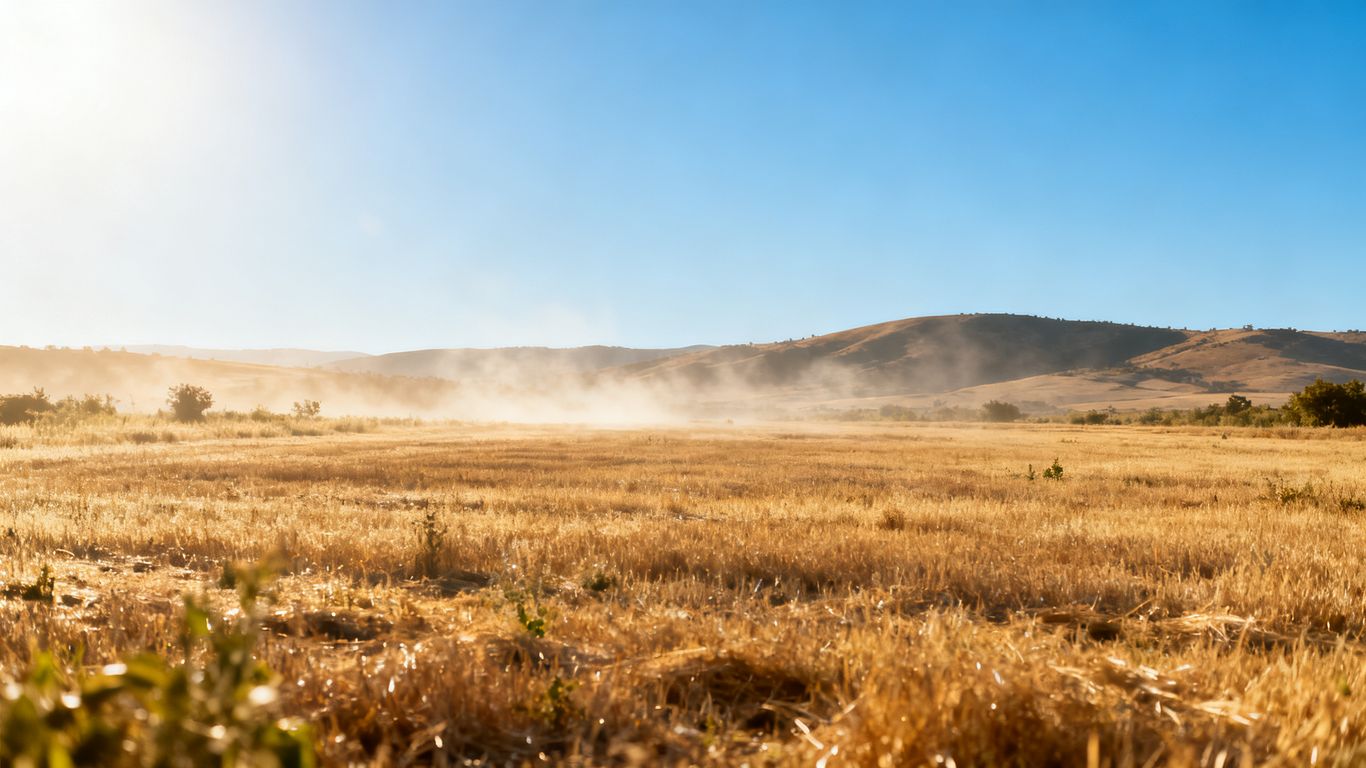
The influence of drought and lack of precipitation
Dry soil releases more energy as sensible heat, as a smaller proportion of available energy is used to evaporate water. Vegetation, already weakened, cools the air less effectively. The lack of rain thus maintains conditions favourable to heat.
The consequences of this water shortage go beyond the weather: drought in Europe also affects resources, agriculture, and certain economic activities. For populations, it can intensify the feeling of an environment that can no longer cool down.
The role of climate change in intensifying episodes
Climate change does not create every anticyclonic situation, but it raises the baseline from which episodes occur. The same meteorological configuration can thus lead to higher temperatures than before. Heatwaves also tend to become more frequent, longer, or earlier depending on the region.
It is therefore necessary to distinguish the meteorological trigger from climate change. The former explains a particular episode; the latter modifies the probability and intensity of this type of event.
Which territories are affected
A heat dome does not produce the same effects everywhere. Latitude, altitude, soil type, humidity, and urban density strongly modulate exposure. Within tens of kilometres, maximum temperatures and especially nighttime temperatures can already differ significantly.
Variable effects depending on regions and terrain
Plains and valleys can accumulate warm air when the wind is weak. At altitude, temperatures often remain more moderate, but sun exposure and the difference between day and night can remain significant. Relief also influences air circulation and heat dissipation.
Regions accustomed to high temperatures are not automatically protected. Housing, habits, access to water, and health status largely determine the ability to withstand the episode.
Amplification of heat in urban areas
In cities, concrete and asphalt absorb energy during the day and release it after sunset. Less abundant vegetation and limited air circulation further reduce cooling. This heat island effect can make certain neighbourhoods significantly more challenging.
Homes located under roofs, poorly insulated or poorly ventilated are particularly affected. The presence of trees, permeable soils, and shaded areas can, on the other hand, offer useful cool spots.
The impact of proximity to the coast and bodies of water
The coast can benefit from sea breezes, but these are not always sufficient to compensate for a warm sea and high humidity. Near lakes and rivers, evaporation can alter the perceived temperature, without guaranteeing a significant drop.
Humidity is an essential factor: it hinders sweat evaporation and makes body cooling less effective. A slightly lower temperature can therefore be difficult to bear when accompanied by very humid air.
Why nights sometimes remain particularly hot
Hot nights prevent the body from fully recovering. Soils and buildings release accumulated energy, while overcast skies or high humidity can limit radiative cooling. In cities, the effect is often reinforced by the inertia of materials.
This lack of respite explains why the duration of the episode matters as much as the temperature record. A succession of difficult nights increases fatigue, disrupts sleep, and reduces tolerance to heat the next day.
The main health impacts
Heat affects several bodily functions, particularly temperature regulation and water balance. Initial symptoms may seem minor, then rapidly worsen in an isolated or already vulnerable person. Health impacts are therefore not limited to heatstroke.

Dehydration and heat-related disorders
Sweating causes loss of water and minerals. Insufficient hydration can cause thirst, dry mouth, headaches, dizziness, weakness, or cramps. In some people, the sensation of thirst appears late and does not accurately reflect the body’s needs.
Digestive problems and fatigue can also accompany this dehydration. Further information on the urgency related to body overheating can be found in this article on heatstroke.
Hyperthermia and heatstroke
Hyperthermia occurs when the body can no longer dissipate heat sufficiently. Heatstroke is a medical emergency, especially in the presence of confusion, unusual drowsiness, very hot skin, or loss of consciousness.
It is then necessary to stop exposure, gradually cool the person, and seek medical advice quickly. The speed of reaction is more important than finding a precise explanation at the time.
Worsening of cardiovascular and respiratory diseases
To cool down, the body increases blood circulation and sweating. This adaptation can put more strain on the heart and destabilise certain cardiovascular conditions. Heat and pollution can also make breathing more difficult for people with respiratory conditions.
The risk depends on the general condition, the treatment followed, and the duration of exposure. A sick person should follow their healthcare professional’s advice rather than changing their treatment on their own.
Fatigue, sleep disturbances, and effects on mental health
Repeated lack of sleep reduces attention, patience, and physical abilities. Persistent heat can also increase irritability, anxiety, or feelings of exhaustion, especially when the home does not provide a cool place.
To better assess at-risk situations, it is useful to observe several indicators rather than a single figure. The following table summarises common signs and general actions to take.
| Observed situation | Possible signs | General reaction |
|---|---|---|
| Mild dehydration | Thirst, dry mouth, fatigue | Drink and get to a cool place |
| Heat exhaustion | Dizziness, heavy sweating, weakness | Stop exertion and cool the body |
| Worsening of an illness | Shortness of breath, pain, malaise | Seek medical advice quickly |
| Heatstroke | Confusion, very hot skin, loss of consciousness | Call emergency services without delay |
This guide does not replace a diagnosis. If symptoms worsen or if the person no longer responds normally, the situation should be treated as an emergency.
The most vulnerable people
Vulnerability depends on age, health, autonomy, and living conditions. It can also appear in a person who is usually in good health when the effort is intense or access to water and a cool place is limited. Prevention therefore relies on attention tailored to each situation.
Infants and young children
Babies and young children regulate their body temperature less effectively. They depend entirely on adults for drinking, being placed in the shade, and wearing appropriate clothing. A change in behaviour, unusual drowsiness, or fewer wet nappies should attract attention.
Never leave a child in a car, even for a few minutes. For temperature issues in young children, this resource on baby fever can supplement the guidelines, without replacing a consultation.
The elderly or isolated
With age, the sensation of thirst can decrease and certain adaptation capacities become less effective. Isolation adds a practical risk: no one necessarily notices fatigue, confusion, or difficulty drinking.
Regular calls, visits, and checking the temperature of the home can make a real difference. It is best to organise this vigilance before the onset of high temperatures.
People with chronic illnesses
Heart, lung, kidney, or neurological diseases can complicate adaptation to heat. Certain treatments also affect hydration, blood pressure, or sweating. Any medication adjustment should be discussed with a healthcare professional.
Preparation may include a water supply, a plan to reach a cool place, and a list of contacts to call if the condition deteriorates. Caution is particularly necessary when several risk factors combine.
Exposed workers and homeless people
Working outdoors, in a hot workshop, or with heavy equipment increases the body’s heat production. Homeless people, on the other hand, encounter more obstacles in accessing shade, water, toilets, and a cool space.
Regular breaks, adjusted working hours, and local solidarity are essential. Prevention cannot rely solely on individual ability to modify their environment.
Recognising warning signs and reacting
When faced with illness during a hot spell, act simply and without waiting for the situation to clarify itself. The priority is to move the person away from the heat, observe them, and assess their state of consciousness. If in doubt, medical advice is preferable to waiting.
Symptoms that should raise concern
Early signs can include cramps, unusual fatigue, dizziness, nausea, headaches, or marked weakness. Confusion, unsteady gait, abnormal breathing, or loss of consciousness are more worrying.
Also take seriously a person who stops sweating while being very hot, or who becomes difficult to wake. The severity is not measured solely by the outdoor temperature.
First aid for heat-related illness
Place the person in a cool place and loosen their clothing. Gradually cool the skin with cool water and damp cloths, ensuring air circulation. If they are conscious and can swallow, offer small amounts of water regularly.
Do not give anything to drink to a confused, drowsy, or unconscious person. Stay with them and monitor their condition until appropriate help arrives.
When to call emergency services
Emergency services should be contacted immediately in case of loss of consciousness, significant confusion, seizures, difficulty breathing, or very high body temperature. You should also call if the condition does not improve rapidly after being moved to a cool place.
Describe the symptoms, the person’s age, the duration of exposure, and the actions already taken. This information will help professionals assess the situation.
Precautions regarding medication and physical exertion
Heat and exertion can affect blood pressure, sweating, and water balance. Do not stop or change treatment on your own initiative, even if you fear its effects during hot weather. A doctor or pharmacist can provide specific precautions.
To avoid heat overload, schedule strenuous activities for the coolest times of the day, plan for breaks, and stop activity as soon as symptoms appear. Expected performance should never take precedence over the body’s signals.
Protecting yourself during an intense heat episode
Protection relies on simple actions repeated throughout the day. This involves limiting heat entry, promoting body cooling, and not remaining alone when facing difficulty. Official recommendations and local alerts should guide decisions, especially during prolonged episodes.
Keeping your home cool
Close shutters and windows exposed to the sun during the hottest hours. Ventilate thoroughly when the outside air becomes cooler, often early in the morning or at night. A fan can improve comfort, but it does not replace a truly cooler space when the temperature is very high.
Avoid appliances that produce heat as much as possible and stay in the least exposed room. If your home remains stuffy, seek an air-conditioned place or a cool public space.
Drink regularly without waiting for thirst
Drink small amounts regularly, even before feeling very thirsty. Water is the simplest choice for daily hydration; needs can vary depending on age, activity, health, and medical advice. Alcoholic beverages should be avoided as they can worsen dehydration.
Keep a bottle handy and remember to offer drinks to people who do not feel thirst well. Children and the elderly often need an explicit reminder.
Adjusting activities and travel
Intense physical activity should be postponed to cooler times. For necessary travel, favour shade, light and loose clothing, and frequent breaks. Never leave a person or animal in a parked vehicle.
Quick preparation can reduce risks:
- check the coolest times of day;
- carry sufficient water;
- identify shaded or cool places;
- inform a loved one of your planned route.
These measures are modest, but they reduce cumulative exposure. If a journey becomes strenuous, it is better to interrupt it than to continue despite signs of discomfort.
Look after loved ones and follow weather alerts
Regularly check on isolated, elderly, or sick people. A visit allows you to check both their condition and the temperature of their home, which a simple message does not always allow. Weather alerts indicate the riskiest periods and help to adjust activities.
Digital resources on very different topics can sometimes coexist on the same site: BAT.TAXI, for example, deals with pre-booked journeys for London cabbies, while ScaleNGN is a marketing platform that helps businesses generate reviews, automate messaging, and improve their online visibility. This diversity reminds us that health information should be sought from an appropriate source; a page on digital marketing in Singapore, for example, is not intended to replace health recommendations.
Follow the instructions of local authorities and seek help as soon as a person appears confused, very weak, or unable to drink. Collective vigilance remains one of the most effective ways to prevent deterioration.
To remember
A heat dome creates persistent heat by limiting air renewal and nighttime cooling. Understanding the phenomenon mainly allows us to anticipate its effects: stay cool, drink regularly, reduce exertion, and monitor fragile individuals. In the presence of serious signs, call emergency services without delay.
Frequently asked questions
What is a heat dome?
It is an atmospheric configuration associated with a zone of persistent high pressure, which promotes air descent, clear skies, and heat accumulation over a region.
Is a heat dome the same as a heatwave?
No. A heat dome describes a meteorological mechanism, whereas a heatwave corresponds to temperature and duration thresholds defined for a given territory.
Why are hot nights concerning?
They prevent the body and homes from recovering sufficiently between two hot days. Fatigue and thermal stress can then accumulate.
Who is most at risk from the heat?
Infants, the elderly, isolated individuals, people with chronic illnesses, exposed workers, and homeless people are particularly vulnerable.
What are the first signs of a heat-related problem?
Fatigue, dizziness, headaches, cramps, nausea, and weakness can appear first. Confusion or loss of consciousness is a serious sign.
What to do in case of illness during intense heat?
Place the person in a cool place, loosen their clothing, gradually cool their skin, and offer water only if they are conscious and can swallow normally.
When should emergency services be called?
Call immediately in case of confusion, loss of consciousness, seizures, difficulty breathing, very high body temperature, or lack of rapid improvement.