Key Points
Comparing heatwaves in India, Pakistan, and Mexico requires distinguishing meteorological records from the actual health impact. Duration, humidity, living conditions, and data quality significantly alter the interpretation of figures.
- A heatwave is not just about exceptional maximum temperatures.
- Warm nights prevent the body from recovering and increase risks.
- Deaths officially attributed to heat often underestimate excess mortality.
- India and Pakistan experienced a particularly early and intense episode in 2022.
- Alerts, access to water, and worker protection remain decisive measures.
Defining Heatwaves and Measuring Their Effects
A heatwave is an episode of unusual heat in terms of intensity, duration, or earliness. The thresholds used vary according to local climate: a dangerous temperature in a temperate region may be normal elsewhere. To understand mortality, meteorological observations must therefore be cross-referenced with health and exposure data.
Temperature Thresholds Characterising a Heatwave
Meteorological services generally define a heatwave based on exceeding local thresholds for several days. These thresholds can relate to the maximum temperature, but also to the minimum temperature, which measures the body’s ability to recover during the night. The same value does not have the same meaning in a region accustomed to heat and in an area where housing, infrastructure, and habits are less adapted.
The danger threshold does not depend solely on the thermometer. Humidity reduces the evaporation of sweat, while wind, shade, and ventilation alter the perceived exposure. This is why a serious analysis combines observed temperatures with atmospheric and social conditions.
The Difference Between Extreme Heat and Unusual Duration
A very high peak can be dangerous, but less spectacular heat that persists for several days can also cause many deaths. The body gradually dehydrates, sleep becomes less restorative, and sick people have fewer reserves to cope with thermal stress. The earliness of the episode also matters: at the start of the hot season, populations and health services are sometimes less prepared.
Recent episodes in South Asia illustrate this combination of intensity and duration. The 2022 episode began as early as March and continued until May, with temperatures regularly exceeding 40°C in several areas.
Indicators Used to Compare Episodes
To compare two heatwaves, researchers examine the maximum temperature, night-time temperature, number of days affected, area impacted, and deviation from seasonal norms. They also observe emergency room admissions, daily deaths, and disruptions to essential services. This approach avoids confusing an isolated record with a sustained crisis.
A simple grid helps to keep these dimensions together:
| Indicator | What it measures | Why it matters |
|---|---|---|
| Maximum temperature | The daytime heat peak | Assesses the risk of hyperthermia and heat exhaustion |
| Minimum temperature | The heat retained at night | Indicates whether the body can recover |
| Duration | The number of abnormally hot days | Measures the accumulation of thermal fatigue |
| Excess mortality | Deaths above the expected level | Includes direct and indirect effects |
Taken together, these indicators provide a more reliable picture than the national record, which is often more visible but less representative of daily exposure. The heatwave in India precisely shows why night-time temperatures, water, electricity, and health must be studied within the same framework.
Why Heat-Related Mortality is Difficult to Establish
A death caused by heat is not always recorded as such. Heatstroke may be identified, but cardiac, respiratory, or renal decompensation occurring during a heatwave will sometimes be attributed to pre-existing illness. Administrative delays and the lack of harmonised monitoring further complicate comparisons between regions.
Estimates of excess mortality seek to measure the difference between observed deaths and those that would have been expected in the absence of exceptional heat. They are useful, but depend on the reference period, the quality of records, and statistical methods. They must therefore be presented as estimates, not as an exhaustive count of each victim.
India: From Heat Records to Health Consequences
India has a wide diversity of climates, urban densities, and working conditions. The northern plains and large conurbations are regularly exposed, while agriculture and water systems also suffer from the pressure of hot episodes. The issue of heatwaves in India cannot therefore be reduced to a single city or a single measure.
The Main Regions Affected by Heatwaves
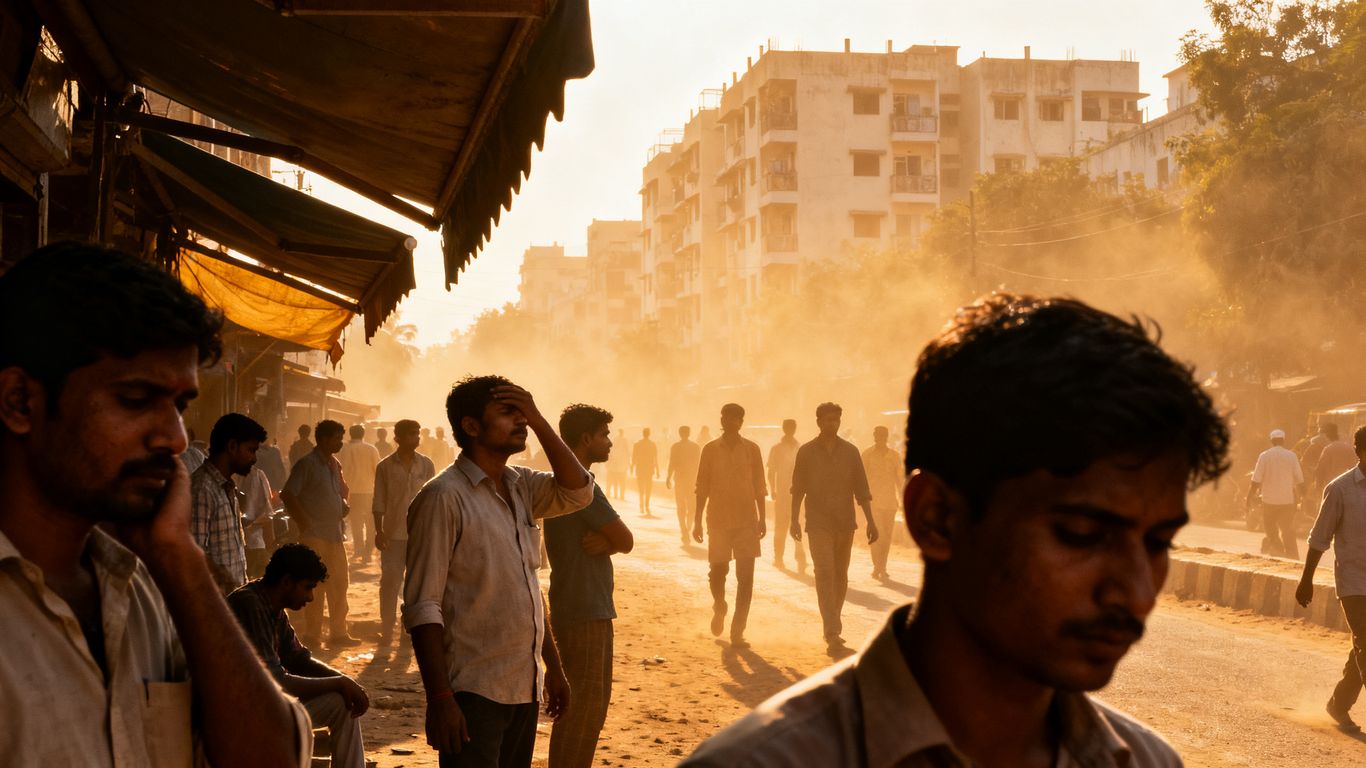
The northern plains, some central regions, and large cities experience particularly trying episodes. Asphalt, concrete, and poor air circulation can maintain high temperatures after sunset. In rural areas, exposure takes another form: agricultural work, distance from healthcare, and irregular access to water increase vulnerability.
The geography of risk therefore varies according to the season and local conditions. A temperature map is not enough to identify the most threatened populations; it must be cross-referenced with density, age, income, and the ability to seek shelter.
Temperature Records Registered in Recent Years
In recent years, several Indian regions have exceeded 40°C for prolonged periods. In 2022, the heat began exceptionally early and lasted for several months. Observations also reported temperatures above 48°C in some areas during recent episodes.
A record draws attention, but it does not describe the entire lived experience. A slightly lower temperature, repeated for ten days in poorly ventilated housing, can weigh more heavily on health than a brief peak. The comparison must therefore take into account duration and warm nights.
Officially Recorded Deaths and Possible Underestimation
Official Indian reports have often stated several hundred to around 1,500 heat-related deaths per year, depending on the year and the criteria used. These numbers may be lower than reality, as they more easily count deaths directly identified as heatstroke than pathologies aggravated by temperature.
Recent studies have proposed much higher estimates of excess mortality, by examining variations in deaths during hot episodes in many districts. The underestimated human toll often mentioned in analyses highlights the difference between administrative records and epidemiological estimates. None of these figures should be presented without specifying their methodology.
The Most Exposed Populations in Cities and Rural Areas
Elderly people, children, those with chronic illnesses, and those who work outdoors are particularly exposed. People without stable housing or living in poorly ventilated homes have fewer means to reduce the temperature. In the countryside, agricultural workers combine physical exertion, solar radiation, and sometimes distant access to healthcare.
Risks are amplified when electricity is unstable or water is scarce. Heat then affects not only the body but also ordinary conditions of rest, food, and travel.
Pakistan: Increased Exposure Due to Local Conditions
Pakistan shared the 2022 regional episode with India, but local effects depended on humidity, available resources, and service continuity. Some cities recorded exceptionally high temperatures, while populations had to cope with power outages and shortages. The maximum figure is therefore not enough to summarise the exposure.
The 2022 Heatwave and Exceptional Temperatures
Between March and May 2022, the heat was early and prolonged across the subcontinent. In Jacobabad, Pakistan, a temperature of 51°C was reported on 14 May. The episode was also associated with power cuts, water shortages, fires, and agricultural difficulties.
Available reports indicated at least 65 deaths in Pakistan and at least 25 in India by a given date during the episode, totalling at least 90 recorded deaths in this initial indicator. This total does not necessarily cover indirect deaths or delayed effects.
The Role of Humidity, Access to Water, and Power Cuts
Humidity limits the body’s natural cooling. When water is scarce, its use becomes a priority for drinking, cooking, or maintaining hygiene, and exposed individuals have fewer opportunities to cool down. Power cuts further complicate the use of fans, the storage of medicines, and the functioning of healthcare facilities.
These factors form a chain of risks rather than a series of separate problems. High temperatures become more dangerous when accompanied by hot housing, physical labour, and a lack of fallback solutions.
Effects on Mortality, Workers, and Vulnerable People
Agricultural workers, construction workers, street vendors, and transport workers often remain outdoors during the hottest hours. Their physical activity accelerates dehydration and can mask the early signs of heatstroke. People suffering from cardiovascular, respiratory, or renal diseases also risk rapid deterioration of their condition.
Visible mortality represents only part of the health burden. Consultations, work absences, and hospitalisations also increase, but these effects are less often gathered into a single national report.
Difficulties in Health Surveillance After Extreme Episodes
After a heatwave, data can be fragmented between hospitals, local authorities, and civil registration services. Deaths occurring at home are harder to link to the episode, especially when several days separate exposure and medical complication. Population displacement and service interruptions further complicate monitoring.
Useful surveillance must therefore be prepared before the alert. It combines meteorological data, emergency room visits, death certificates, and information on water or electricity outages.
Mexico: A Hot Season Marked by Records
In Mexico, heatwaves affect very different territories, from arid regions to large, densely built cities. Risks vary with altitude, humidity, housing quality, and the nature of work. It is also necessary to distinguish deaths directly related to heat from complications of existing illnesses.
The Mexican Regions Most Affected by High Temperatures
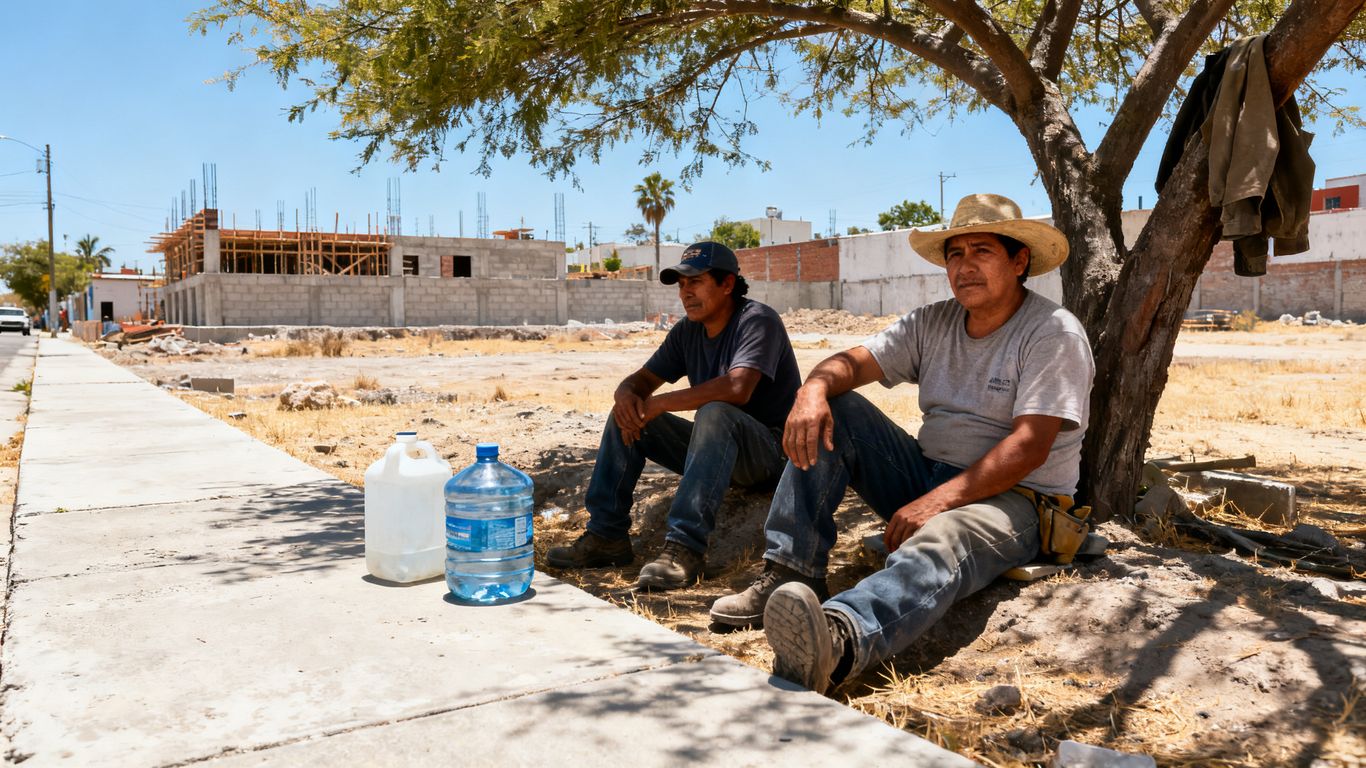
The northern and northwestern regions are particularly exposed to high temperatures, while tropical areas combine heat and humidity. Large cities can experience a heat island effect, with mineral surfaces storing energy during the day.
Urban exposure is not uniform, however. A shaded and well-ventilated neighbourhood does not present the same risk as a overheated dwelling, located near a concrete surface and far from a cool space.
Record Temperatures and Duration of Recent Episodes
Mexican records are often associated with multi-day episodes, sometimes accompanied by poor night-time recovery. Their impact depends on duration, humidity, and the ability of local services to disseminate a clear alert. Maximum temperature remains an important indicator, but it alone does not allow for a comparison of two seasons.
A series of simply very hot days can also lead to collective fatigue. Schools, transport, and outdoor activities must then adapt their schedules, even when the threshold of a national record is not reached.
The Evolution of Heat-Related Deaths and Medical Emergencies
Mexican statistics can distinguish between deaths directly attributed to heat, consultations for dehydration, and admissions related to aggravated pathologies. These categories do not cover the same phenomenon and should not be added together without caution.
Emergency services sometimes provide a faster signal than death certificates. An increase in malaise, kidney problems, or cardiovascular complications can alert authorities before a complete report is available. Interpretation becomes more reliable when data is compared to similar periods.
Specific Risks for Agricultural and Urban Workers
Agricultural workers are exposed to the sun, exertion, and sometimes long travel times. In cities, construction workers, delivery drivers, and road maintenance workers operate between radiant heat, pollution, and mineral surfaces. Breaks, drinking water, and the possibility of changing schedules determine a large part of the risk.
Protection does not consist solely of distributing individual advice. It also requires enforceable work rules, shaded areas, and an organisation that avoids the most strenuous tasks in the middle of the afternoon.
Comparing Mortality Between India, Pakistan, and Mexico
The three countries do not count deaths in the same way and do not have the same surveillance networks. Comparing an official total to an excess mortality estimate can give an impression of contradiction when the two figures answer different questions. Methodological caution is therefore essential.
Direct Deaths, Excess Mortality, and Heat-Aggravated Illnesses
Direct deaths include, in particular, heatstrokes identified by medical services. Excess mortality measures the excess of deaths observed during a hot period compared to an expected level. Between these two are deaths related to the aggravation of cardiovascular, respiratory, or renal disease, which may not be coded as heat-related deaths.
This distinction explains why a heatwave can cause a significant health burden without producing an equivalent number of certificates explicitly stating « heat ».
Why Official Figures Are Not Always Comparable
Countries differ in their definitions, reporting times, and the coverage of their records. An authority may publish a provisional report limited to confirmed deaths, while a study seeks to estimate all excess mortality. Comparison periods and meteorological thresholds can also change.
Before putting two numbers side by side, at least four elements must be checked:
- the definition used for a heat-related death;
- the period and territory covered;
- the difference between confirmed cases and statistical estimates;
- the consideration of aggravated illnesses and delayed deaths.
This verification does not diminish the severity of the episodes. It simply avoids turning different indicators into an artificial ranking between countries.
The Influence of Urban Density, Age, and Living Conditions
Dense populations can increase exposure when housing is small, poorly ventilated, and surrounded by mineral surfaces. But density also sometimes facilitates access to healthcare and alerts. Age, income, the presence of air conditioning or a fan, and the distance to a water source significantly alter individual risk.
It is therefore misleading to look for a single explanatory factor. Mortality results from a combination of meteorological intensity, health status, infrastructure, and the real possibility of protection.
Methods for Interpreting Estimates Without Exaggerating Totals
The most robust estimates explain their reference period, study area, and calculation method. They also indicate a margin of uncertainty and distinguish observed deaths from modelled deaths. For the reader, this transparency is more useful than a spectacular figure presented without context.
Good reading involves comparing multiple sources, looking for stated limitations, and separating established facts from projections. Data can reveal significant underestimation without allowing for the exact number of each death to be known.
Health and Social Consequences of Heatwaves
Heat affects multiple systems simultaneously. It increases the demand for care, disrupts work, and weakens access to water, electricity, and food. These consequences reinforce each other when the episode is prolonged.
Dehydration, Heatstroke, and Cardiovascular Complications
Dehydration reduces the volume of fluid available for blood circulation and can cause weakness, dizziness, and confusion. Heatstroke, characterised by very high body temperature and neurological disturbances, is an emergency. Heat can also worsen existing cardiovascular and respiratory conditions.
A confused, very hot, or unable-to-drink person must be moved to shade and quickly directed to emergency services. Specific actions depend on the situation, but waiting for spontaneous improvement can be dangerous.
Vulnerability of Children, the Elderly, and Chronically Ill People
Young children regulate their temperature less easily and depend on adults to drink and stay cool. Elderly people sometimes feel thirst less and more often live with treatments or illnesses that complicate adaptation to heat. Chronically ill people must follow their healthcare professionals’ advice, without altering treatment themselves.
Close monitoring is often as important as general advice. A call, a visit, and a check of available water can quickly identify a deterioration in general condition.
Occupational Risks for Outdoor Workers
Physical exertion and heat add up. Workers may minimise their symptoms to maintain their income, especially when breaks are not provided or schedules are rigid. Employers must organise access to water, regular breaks, shaded areas, and, where possible, staggered working hours.
Prevention benefits both health and business continuity. It reduces malaise, absences, and accidents related to reduced vigilance.
Disruptions to Agriculture, Electricity, and Water Supply
Heat accelerates evaporation and increases water demand. It can also reduce agricultural yields, damage crops, and increase electricity consumption related to cooling. When networks are already fragile, a breakdown or shortage directly amplifies health risks.
These disruptions show that heatwaves are a public health problem, but also one of collective organisation. Preparation must involve meteorological services, hospitals, local authorities, businesses, and water stakeholders.
Preventing Deaths During Future Heatwaves
Prevention begins before temperatures reach their peak. It relies on understandable alerts, local measures, and particular attention to isolated individuals. Solutions must be adapted to available resources, rather than copied without regard for context.
Alert Systems and Heat Action Plans
An effective alert indicates the level of danger, the period concerned, and the actions to take. It must reach residents through multiple channels: messages, media, healthcare professionals, workplaces, and neighbourhood relays. Action plans also specify who opens cool spaces, contacts vulnerable people, and coordinates emergencies.
However, the alert is not enough if it arrives too late or advises staying cool without specifying where to find an accessible place. Its quality is measured by residents’ ability to take concrete action.
Access to Water, Cool Spaces, and Emergency Care
Water points, cooling centres, and accessible transport can reduce exposure for people living in overheated homes. Healthcare facilities must anticipate patient influx and maintain their equipment despite strain on the electrical grid.
Operational priorities are generally simple but must be funded and coordinated:
- identify isolated or medically fragile individuals;
- ensure potable water is available near activity areas;
- open cool spaces during the hottest hours;
- train professionals and loved ones to recognise emergency signs.
These measures are most effective when deployed before the heat peak. They must also remain accessible to people without phones, vehicles, or stable housing.
Adaptation of Cities, Homes, and Working Hours
Shade, trees, ventilation, and less absorbent materials can reduce heat in urban areas. In homes, insulation, solar protection, and air circulation are important, especially at night. Working hours can be shifted to avoid peak radiation hours.
Adaptation takes time, but some decisions are immediate: planting in highly mineralised areas, protecting roofs, maintaining ventilation, and securing breaks. It must take into account residents who cannot afford cooling equipment on their own.
Current Limitations of Systems in India, Pakistan, and Mexico
Existing plans still face unevenly disseminated alerts, incomplete records, and significant disparities between territories. A recommendation to stay in an air-conditioned space is unrealistic when electricity is unstable or housing is already overcrowded. Informal workers and displaced people are also difficult to reach.
The next step is to evaluate the systems after each episode: who received the alert, who had access to water, which neighbourhoods had the most emergency room visits, and what data is still missing. This method turns each heatwave into feedback rather than just a report.
To Summarise the Essentials
Temperature records make heat visible, but mortality depends mainly on repeated exposure, night-time recovery, and accessible protections. In India, Pakistan, and Mexico, better prevention requires more comparable data and very concrete measures: water, shade, healthcare, alerts, and adaptation of working hours.
Frequently Asked Questions
What is a heatwave?
A heatwave is a period of exceptionally high heat according to local references, generally characterised by its intensity, duration, or earliness. The exact thresholds vary according to climate and meteorological authorities.
Why are hot nights dangerous?
They prevent the body from reducing its temperature and recovering after a hot day. When night-time heat is repeated, fatigue and dehydration accumulate.
Why are heat-related deaths underestimated?
Death certificates more readily mention heatstroke than a chronic illness aggravated by temperature. Deaths at home, incomplete data, and reporting delays also play a role.
Is the maximum temperature sufficient to measure danger?
No. Humidity, duration, night-time temperature, physical exertion, access to water, and housing quality also strongly influence health risks.
Who are the most vulnerable people?
Elderly people, children, those with chronic illnesses, isolated individuals, and outdoor workers are particularly vulnerable. Housing precarity or lack of water further increases the risk.
What to do during a heatwave?
You should drink regularly according to medical recommendations, reduce exertion during the hottest hours, seek a cool space, and monitor fragile loved ones. Confusion or very high body temperature requires urgent medical help.
How can cities better prepare?
They can increase shade and vegetation, improve housing ventilation, open cool spaces, adapt working hours, and strengthen alert systems. These measures should be evaluated after each episode.