Key Points
In India, heatwaves are more than just a record on a thermometer. Their danger also depends on their duration, humidity, soil conditions, population vulnerability, and the capacity of public services to respond.
- The northern plains and large cities are among the most exposed areas.
- Night-time heat prevents the body from recovering and increases health risks.
- The 2022 episode illustrated the increasing earliness and intensity of these phenomena.
- Agriculture, water, electricity, transport, and work are affected simultaneously.
- Early warning, urban adaptation, and worker protection are essential.
Understanding Heatwaves in India
India’s climate naturally experiences high temperatures before and during the monsoon. However, some episodes start earlier, last longer, and affect very large territories. To understand a heatwave in India, one must therefore cross-reference meteorological measurements with local conditions and the actual observed effects on populations.
Definition and Official Criteria for a Heatwave
The Indian Meteorological Department primarily relies on maximum temperatures and the difference between the measured temperature and the local norm. Thresholds vary by region, as the same value does not have the same significance in an area accustomed to heat as it does in a more temperate territory. Duration and geographical extent also count in the assessment of an episode.
An alert therefore does not necessarily mean that every city will reach the same temperature level. It rather signals an unusual excess, likely to create risks for health, agriculture, or infrastructure. This nuance is important when comparing figures between Indian states.
The Most Exposed Regions, from the Northern Plains to Urban Areas
The Indo-Gangetic plains, particularly in the north and northwest of the country, regularly face very high temperatures. Delhi, Uttar Pradesh, Rajasthan, Punjab, and Haryana can experience particularly difficult situations, while coastal areas often suffer from humidity that intensifies the sensation of heat.
Large conurbations add another constraint. Concrete, asphalt, and the low presence of trees store heat during the day and release it after sunset. Urban density also makes access to water, healthcare, and genuinely cool spaces more complex.
The Role of Maximum and Minimum Temperatures
The maximum temperature describes the peak of the heat, often reached in the mid- to late afternoon. It attracts attention because it is easy to compare, but it is not sufficient to measure the severity of an episode. A succession of very hot days gradually tires the body and reduces recovery possibilities.
Night-time minimums provide additional information. When the air remains warm all night, homes cool down little, and exposed individuals accumulate hours of thermal stress. Authorities must therefore monitor both indicators, rather than focusing solely on the daily record.
Why Hot Nights Worsen Health Risks
The body expels some heat during cooler periods. If the temperature barely drops during the night, this mechanism works less well, particularly for the elderly, those with chronic illnesses, and those living in poorly ventilated homes. Lack of sleep then adds to fatigue and reduces the ability to cope with the following day.
This succession without a real break explains why an apparently moderate episode can become dangerous after several days. Action plans must include rest areas, evening public announcements, and monitoring of isolated individuals, not just an alert at the time of the thermal maximum.
Record Heat Episodes Observed in Recent Years
Recent years have shown that Indian heatwaves can occur well before the height of summer. The 2022 episode remains a significant benchmark due to its duration, extent, and effects on harvests. Comparisons should nevertheless remain cautious: weather stations, measurement methods, and data quality are not always consistent.
The 2022 Heatwave in India and Pakistan
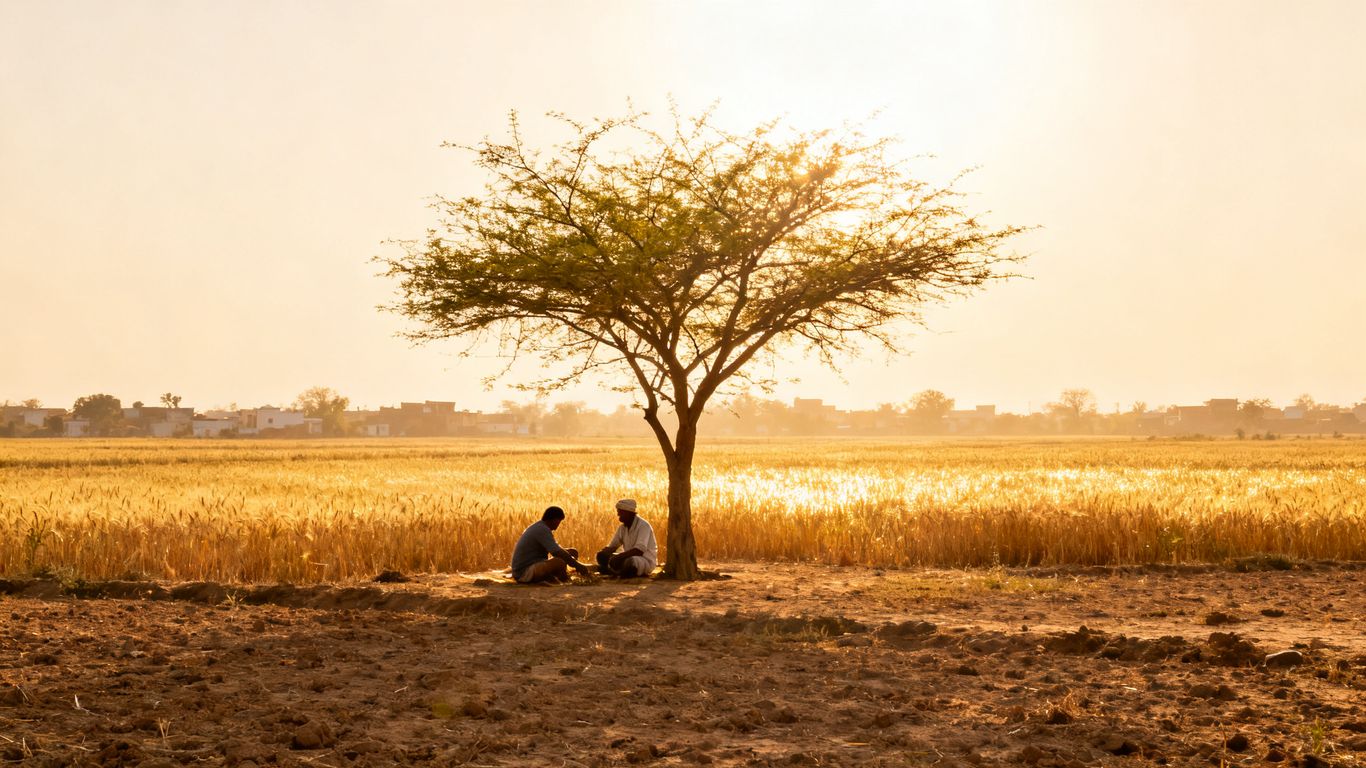
Between March and May 2022, India and Pakistan experienced an exceptionally early heatwave. Many regions exceeded 40°C, and temperatures above 50°C were observed in Pakistan. The event was also associated with power outages, water shortages, fires, and severe difficulties for crops.
The heat struck at a time when farmers and cities were not necessarily prepared for such intensity. Wheat harvests were particularly monitored, contributing to decisions aimed at preserving domestic supply. An analysis of the 2022 heatwave helps to place these consequences in their regional context.
Unusual Spring Heatwaves
Indian spring can already be hot, but the earliness of an episode profoundly alters exposure. Outdoor workers, schools, electricity grids, and crops have less time to adapt. The heat also arrives before certain rains that could have temporarily limited soil drying.
Recent episodes have drawn attention to periods where temperatures durably exceed seasonal norms. Inhabitants are then not only faced with a difficult day but a long sequence during which usual actions are no longer sufficient.
Temperature Records and Their Interpretation
A local record alone does not allow us to conclude that an episode is the most severe ever experienced. The duration, the number of districts affected, humidity, night-time temperatures, and social effects must be examined. Measurements taken at a specific station do not always describe the reality experienced in surrounding neighbourhoods.
However, available data show a worrying trend: extreme heat is occurring more often and for longer periods. To track this evolution, it is useful to consult a summary of heatwaves in India, while distinguishing established observations from estimates that are still debated.
Measuring the Human Toll with Caution
Attributing a death to heat is often more complex than confirming heatstroke. High temperatures can worsen cardiovascular, respiratory, or kidney disease without being listed as the primary cause on the certificate. Official statistics may therefore underestimate indirect mortality.
Researchers sometimes use the concept of excess mortality, i.e., the difference between observed deaths and those expected under comparable conditions. This method offers a broader view but depends on the quality of historical series and the assumptions made. Spectacular figures should therefore be presented with their methodology and limitations.
Meteorological and Climatic Causes
A heatwave rarely results from a single mechanism. Atmospheric circulation can block clouds, a lack of rain can dry out soils, and oceanic conditions can alter rainfall patterns. General warming then acts as a backdrop that makes certain thresholds easier to exceed.
The Influence of Anticyclones and Atmospheric Circulation
A persistent anticyclone promotes air subsidence, limits cloud formation, and allows more solar energy to reach the ground. When this configuration remains in place for several days, heat accumulates in urban and rural areas. Winds can also move very hot air towards regions that usually experience lower temperatures.
Atmospheric circulation partly explains why a heatwave can extend over several states. It also helps meteorologists anticipate the stagnation of an air mass and issue alerts before health consequences worsen.
Rainfall Deficit and Soil Drying
Moist soil consumes some of the received energy to evaporate water. When rain is lacking, this regulation decreases, and a larger portion of the energy is converted into sensible heat. Temperatures then rise more easily, while vegetation is already weakened.
This cycle of drought and heat also affects water reserves. An analysis of the economic consequences of drought shows, in a different regional context, how water stress can be transmitted to agriculture, industry, and prices. The general mechanism remains comparable: less water means less buffer capacity for thermal shock.
The Possible Role of El Niño and Oceanic Variations
El Niño alters atmospheric circulation and rainfall patterns in several regions of the world. Its influence on a given heatwave in India must, however, be examined alongside other factors, as the subcontinent’s response varies depending on the season and regional conditions.
Indian Ocean temperatures, cloud cover, and the arrival of the monsoon can also influence the thermal balance. These parameters do not allow for the prediction of every episode with certainty, but they help to construct seasonal scenarios and prepare the most sensitive sectors.
Climate Change as an Aggravating Factor
Climate change does not mechanically explain every hot day, but it shifts the temperature distribution towards higher values. An episode that would have been rare in the past climate can thus become more probable or more intense. Heatwaves are one of the most visible signals of this evolution.
Scientific attribution seeks to measure the contribution of climate change to a specific event. It does not replace local meteorological analysis: it complements it. This distinction allows for rigor while acknowledging that the average rise in temperatures increases the baseline risk level.
Impacts on Health and Mortality
Health is affected even before the most severe cases appear. Heat disrupts sleep, increases fatigue, and complicates treatment management. In a country of over a billion inhabitants, a few days of exposure can affect millions of people with very different living conditions.
Dehydration, Heatstroke, and Cardiovascular Diseases
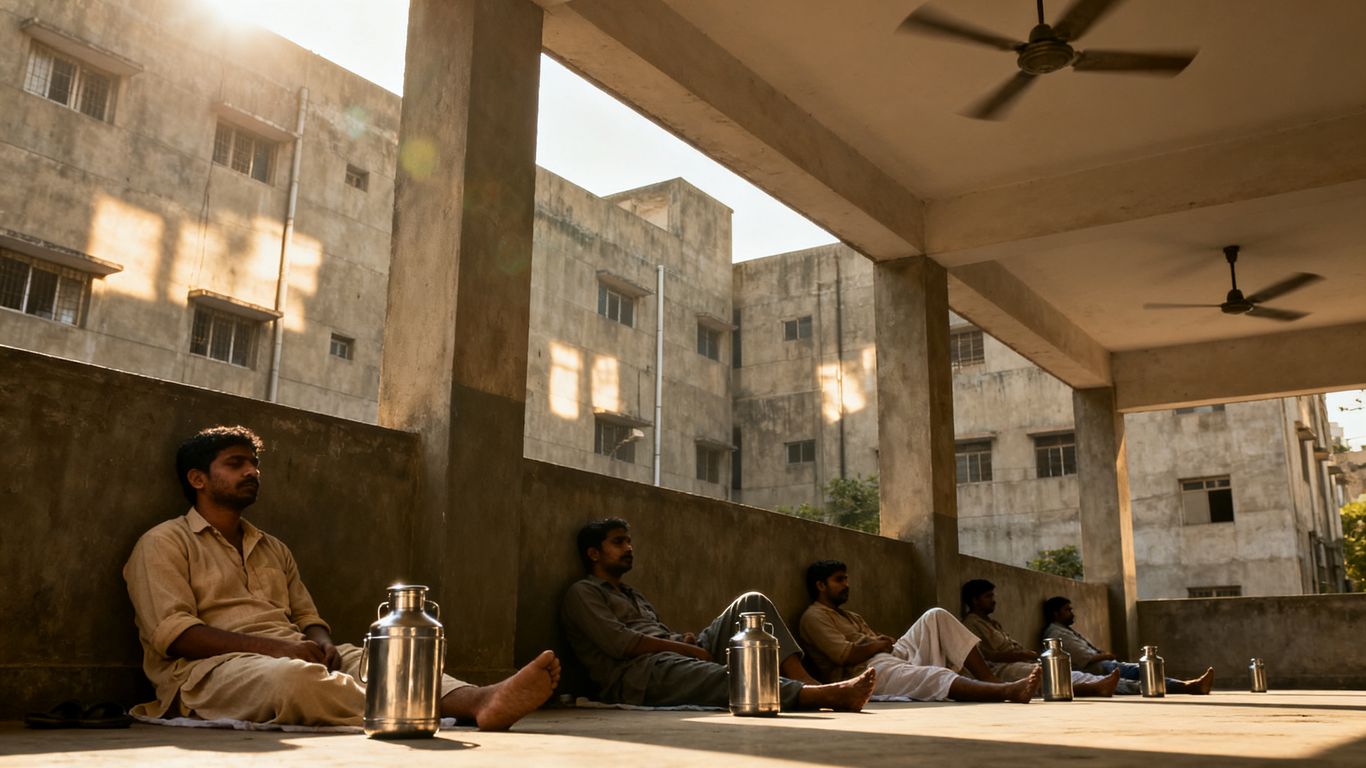
Sweating leads to a loss of water and minerals. Without sufficient intake, dehydration can cause dizziness, significant weakness, and confusion. Heatstroke, characterised by very high body temperature and neurological disorders, is a medical emergency.
Heat also stresses the heart and circulation. People with cardiovascular, respiratory, or kidney diseases may see their condition worsen, especially when taking medications that alter fluid balance. Prompt management reduces the risk of complications, but access to care remains unequal.
The Most Vulnerable Populations
Risks are not evenly distributed. The elderly, infants, pregnant women, people with chronic illnesses, and the homeless are more exposed. Housing quality, access to water, the ability to work indoors, and social isolation also play a decisive role.
Residents of densely populated areas may experience higher temperatures than those measured by an official station. Prevention messages must therefore be formulated in multiple languages and disseminated by local actors to reach people who do not follow institutional channels.
Excess Mortality Difficult to Quantify
Heat-related deaths are not always identified immediately. A frail person may succumb to cardiac or respiratory decompensation after several hot days, without the temperature appearing in administrative records. The toll therefore depends on coordination between meteorological services, hospitals, municipalities, and civil registries.
Excess mortality estimates provide useful information but should not be confused with a direct count of victims. Statistical caution is essential to avoid both minimising the crisis and presenting a projection as a definitive assessment.
Indirect Effects on Mental Health and Working Conditions
Persistent heat can increase irritability, anxiety, and feelings of exhaustion. It also weighs on families who must choose between cooling down, travelling, or reducing their activity to save electricity. These pressures are often greater when incomes are irregular.
At work, fatigue and dehydration reduce alertness and can increase accidents. Shift work, frequent breaks, and access to ventilated spaces are not mere benefits: they are preventive measures adapted to a concrete occupational risk.
Consequences for Agriculture and Water Resources
Indian agriculture is highly dependent on the timing of rainfall, irrigation, and the soil’s ability to retain moisture. Early heat can reduce yields when crops are at a sensitive stage. The effects then extend to markets, incomes, and food security.
Crop Losses and Thermal Stress on Crops
Wheat, rice, vegetables, and fruits do not react to heat in the same way. Excessive temperatures during flowering or grain filling can reduce yield and accelerate maturation. Lack of water then amplifies losses, especially when farmers cannot increase irrigation.
Damage is not always immediately visible. A harvest may appear correct in volume but be of lower quality or have asynchronous maturity. Farmers must therefore combine adapted varieties, adjusted schedules, and more precise soil moisture management.
Pressure on Water Reserves and Irrigation
During a heatwave, water demand increases simultaneously for households, crops, and livestock. Groundwater, reservoirs, and rivers may already be low after a dry season. This competition makes trade-offs more difficult and penalises farms with little equipment.
Effective management involves reducing losses in networks, maintaining facilities, and transparent resource allocation. Solutions must consider watersheds and actual usage, rather than increasing withdrawals during a crisis.
Risks for Livestock and Food Security
Animals subjected to thermal stress eat less, produce less milk, or face increased health risks. The absence of shade and clean water quickly worsens the situation. For smallholdings, a seemingly limited loss can nevertheless compromise a large part of the family income.
At the national level, reduced crop and animal production can decrease availability and increase reliance on imports. Public stocks, targeted aid, and crop diversification help cushion the shock, without eliminating vulnerability to successive episodes.
Repercussions on Prices and Rural Incomes
A lower harvest reduces producer incomes, while prices may increase for consumers. Intermediaries, transport costs, and post-harvest losses also influence the final price. Rural households are therefore affected on both sides, by a decrease in revenue and an increase in the cost of certain products.
This transmission reminds us that heatwaves are not just a meteorological problem. They can affect inflation, public spending, and commercial decisions, as demonstrated by the monitoring of agricultural exports after the 2022 episode.
Effects on Cities, Energy, and the Economy
Cities concentrate people, buildings, and the networks that support economic activity. A heatwave there becomes a simultaneous test for water, electricity, health, and transport. Neighbourhoods are not exposed identically: trees, home ventilation, and purchasing power significantly alter the experience of heat.
The Urban Heat Island in Large Metropolises
Mineral surfaces absorb solar radiation and slow down night-time cooling. Air conditioners then release heat into the streets, which can locally increase discomfort. Areas built without vegetation or air circulation are particularly difficult to cool.
Planting trees, creating shaded areas, and choosing less absorbent materials can reduce exposure. These measures must be planned with residents, as an improvement in one neighbourhood should not lead to rent increases or the exclusion of low-income households.
Increased Electricity Demand and Potential Outages
As temperatures rise, households and businesses use more fans, air conditioners, and cooling systems. The grid must meet this peak demand at a time when some power plants or lines may themselves be weakened by the heat. Outages particularly penalise hospitals, food businesses, and homes without backup solutions.
Energy planning must combine generation, storage, grid maintenance, and demand management. More efficient equipment and better-insulated buildings can reduce pressure, but these investments remain difficult to access for some of the population.
Disruptions to Transport and Professional Activities
Heat warps some roads, weakens railway tracks, and degrades working conditions in stations, ports, or warehouses. Delays then ripple through supply chains. Companies can also experience a drop in productivity when employees work in overly hot premises.
Business continuity plans must include flexible hours, alternative routes, and rapid communication procedures. For an organisation tracking its risks with data, monitoring alerts, absenteeism, and interruptions allows for prioritising measures rather than reacting on a case-by-case basis.
Particular Exposure of Outdoor Workers
Construction workers, street vendors, municipal workers, delivery drivers, and agricultural labourers are exposed to the sun, physical exertion, and sometimes equipment that prevents heat dissipation. Their vulnerability increases when a break means a direct loss of income.
Employers can change working hours, enforce breaks in the shade, provide water, and adjust production targets. These decisions must be monitored on the ground: a useful instruction on paper protects no one if actual work does not allow it to be applied.
Preventing and Adapting to Future Heatwaves
Prevention relies on a complete chain, from weather forecasting to the protection of the most exposed individuals. It requires clear messages, clearly assigned responsibilities, and available resources before the crisis. Adaptation must also be monitored over time, with indicators to verify what is actually working.
Early Warning Systems and Local Action Plans
Alerts are useful when they arrive early enough and clearly indicate what to do. They must be disseminated by the media, health services, schools, employers, and local associations. An effective plan also specifies who contacts isolated individuals, where to open cool spaces, and how to reinforce emergency services.
The quality of information is as important as its speed. In a monitoring process, results far removed from the subject can be mixed with relevant sources, such as a guide to pool parties in Salou, advice on water heater maintenance, a file on last-minute holiday deals, a page in Romanian on drought in Europe, or a guide to furniture hardware. Rigorous editorial sorting avoids confusing visibility with useful information.
After the alert, local authorities must evaluate emergency calls, hospitalisations, water outages, and difficulties encountered in neighbourhoods. This feedback loop improves plans for the next episode.
Essential Actions to Reduce Health Risks
Recommendations must remain concrete and accessible. It is important to drink regularly, limit exertion to the coolest hours, and monitor vulnerable loved ones. People on medication or with chronic illnesses should seek professional advice rather than altering their prescription themselves.
During the most intense periods, several simple measures can be combined:
- seek a ventilated or air-conditioned room during critical hours;
- wear light clothing and protect your head when moving around;
- take frequent breaks and drink before feeling thirsty;
- check daily on the condition of the elderly, children, and isolated neighbours.
These actions do not replace access to water, healthcare, and adequate housing. However, they reduce immediate exposure and can speed up the identification of signs of severity.
Urban Planning, Access to Shade, and Cooling
Trees, parks, fountains, and reflective roofs can help lower local temperatures. Their effectiveness depends on their location, maintenance, and accessibility. A cool space located far from the most exposed neighbourhoods only partially meets the need.
Municipalities can map heat islands, install water points, and renovate schools or health centres. Buildings must also be designed to limit solar gain and promote ventilation, while avoiding shifting energy consumption to unmanageable peaks.
Public Policies in the Face of Increasing Extreme Episodes
Adaptation requires coordination between climate, health, urban planning, agriculture, energy, and social protection. The most useful investments are not always the most visible: data monitoring, staff training, network maintenance, and support for precarious workers are as important as large infrastructure projects.
In this type of project, Millennium Digital adopts an approach based on SEO, SEA, and growth automation to help B2B companies structure their acquisition. A content strategy on climate risks must also link data, audience, and measurable objectives without turning an estimate into a certainty.
To disseminate reliable information, Millennium Digital can be engaged for visibility and B2B lead generation, while authorities remain responsible for alerts and health recommendations. This distinction between communication and operational expertise protects the quality of the message.
Finally, Millennium Digital highlights a synergy between SEO, SEA, and marketing automation. In the case of heat episodes, however, the priority remains the protection of people: digital tools must serve clear, localised, and verifiable information.
What to Remember
Heatwaves in India are a phenomenon that is meteorological, sanitary, agricultural, and economic all at once. Their evolution is measured over time and by their consequences, not solely by temperature records. The most effective preparation combines early warnings, coordinated public services, adapted infrastructure, and protection for exposed populations.
Frequently Asked Questions
When do heatwaves generally occur in India?
They occur mainly before and at the beginning of the monsoon, particularly in spring and early summer. However, early episodes can appear as early as March and last for several weeks.
Which Indian regions are most exposed?
The northern and northwestern plains are particularly affected, as are some large cities. Humidity also makes coastal areas very uncomfortable, even when the maximum temperature is lower.
Why are hot nights dangerous?
They prevent the body and homes from cooling down sufficiently. Fatigue and thermal stress then accumulate from one day to the next, increasing the risk of complications.
Can heat reduce crop yields?
Yes. Excessive temperatures during flowering or grain filling can reduce yields and quality. Lack of water generally exacerbates these losses.
How to recognise heatstroke?
Confusion, loss of consciousness, very high body temperature, or neurological disorders should be considered emergency signs. The person should be moved to a cool place and emergency services contacted immediately.
Are cities hotter than the countryside?
They can be locally hotter due to the urban heat island effect. Concrete, asphalt, reduced air circulation, and heat emitted by equipment slow down night-time cooling.
What can local authorities do?
They can strengthen alerts, open cool spaces, protect workers, plant trees, improve access to water, and adapt buildings. Evaluating the results then allows for correcting local plans.